Passover, also known as Pesach, commemorates the liberation of the Israelites from slavery in ancient Egypt, as described in the Book of Exodus. Central to this story is the theme of divine intervention, where God delivers His people through a series of plagues. This culminates in the sparing of the Israelite households that were marked with lamb’s blood. The ritual meal, known as the Seder, emphasises memory, identity, and gratitude for freedom. Therefore, Passover is fundamentally a celebration of both physical and spiritual emancipation.
Easter marks the resurrection of Jesus Christ following his crucifixion, a cornerstone of Christian belief. According to the New Testament, the events of Jesus’ final days, including the Last Supper, occurred during Passover. This situates Easter not only historically within the Jewish liturgical calendar but also symbolically within the Passover framework. Jesus is often interpreted in Christian theology as the “Paschal Lamb,” whose sacrificial death brings deliverance from sin, echoing the sacrificial imagery of the Passover lamb.
Passover 2026 has begun at sundown on April 1 and will end at nightfall on April 9.
Easter in 2026 will be celebrated by its Western branch on Sunday, April 5. This date is determined by the first Sunday after the first full moon following the spring equinox.
The Eastern Orthodox Church celebrates one week later, on April 12. The difference is because they use the Julian calendar instead of the Gregorian.
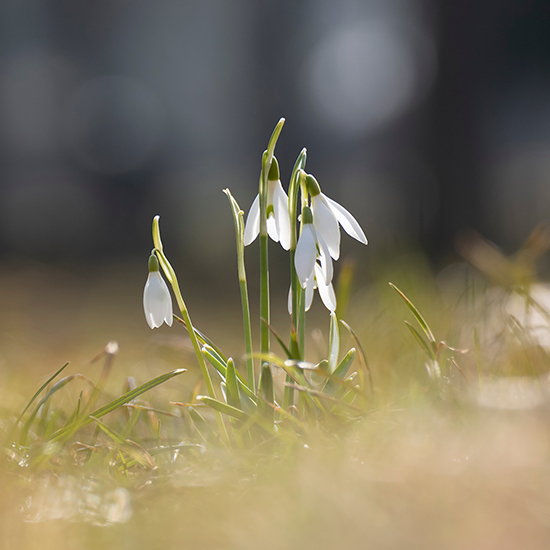
You don’t have to be a Jew to celebrate Passover, or a Christian to celebrate Easter. All these celebrations, in one way or another, relate to the spring equinox. It should be a time of renewal, new beginnings, and rejoicing.
Are we celebrating?
Are we happier than we were one year ago?
Is the world a better place?
Individually and collectively, are we better persons?
The light is there, but no one sees it.
It’s always darker before Resurrection.
Let there be light, let there be peace on Earth!
“In the beginning, God created the heavens and the earth. Now the earth was formless and empty, darkness was over the surface of the deep, and the Spirit of God was hovering over the waters.
And God said, “Let there be light,” and there was light. God saw that the light was good, and he separated the light from the darkness. God called the light “day,” and the darkness he called “night.” And there was evening, and there was morning – the first day.” (Genesis 1:1-5)
Easter, a celebration deeply rooted in Christian tradition, marks the resurrection of Jesus Christ. Symbolising hope, renewal, and the triumph of faith, respectively, light over darkness, the act of lighting candles holds profound significance in Easter observances across various cultures and denominations.
Light holds a central place in religious and cultural symbolism worldwide. In the context of Easter, it embodies the essence of Christ’s resurrection, signifying the victory of life over death. The ritual of lighting candles at Easter mirrors the narrative of the resurrection. Just as the dawn breaks after the darkest hour of the night, Easter represents the dawn of spiritual enlightenment and the promise of salvation.
The tradition of lighting candles at Easter dates back to ancient Christian practices. Early Christians, particularly in the Eastern Orthodox Church, would gather before dawn on Easter Sunday to light candles, symbolising the light of Christ entering the world anew.
Over the centuries, this tradition has developed and spread to various Christian denominations, each infusing it with its unique customs and interpretations.
The Paschal vigil is the liturgy that begins at midnight.
In Jerusalem, the Greek Orthodox Patriarch receives the Holy Fire and subsequently celebrates the Divine Liturgy at the Holy Sepulchre of Christ, on the very place where his body lay at the time of his resurrection.
The lighting of the Paschal Candle symbolises the risen Christ. As the flame is passed from candle to candle, illuminating the darkness, congregants partake in a symbolic journey from death to life, from despair to hope.
In ancient times, the faithful remained in the church overnight. The Paschal Vigil would have begun on the afternoon of Saturday and not ended until dawn on Sunday morning.
Beyond its symbolic significance, the act of lighting candles at Easter catalyses spiritual reflection and renewal. In the flickering glow of the candle flame, believers are stimulated to contemplate the deeper meanings of Easter – redemption, forgiveness, and the promise of eternal life. It is a time for introspection, repentance, and reaffirmation of faith.
Yours truly,
Attila Kárpáthy
#passover # pesach #easter # PaschalCandle #esoteric #attilakarpathy