Eight of Wands

28 Eight of Wands [work in progress]

28 Eight of Wands [work in progress]
Etteilla’s interpretation of the card.
Upright: countryside, field, plain, agriculture, crop, farming or crop growing, cultivation, landed property, real estate, farm, garden, orchard, prairie, forest, grove, foliage, pleasure, fun, leisure, pastime, recreation, enjoyment, peace, calm, tranquillity, innocence, country life, valley, mountain, battlefield.
Reversed: internal dispute, examination, reasoning, misunderstanding, regrets, remorse, repentance, inner agitation, irresolution, uncertainty, indecision, inconceivable, incomprehensible, doubt, scruple, fearful con-science. Read more Eight of Wands
The Fool and the Hermit

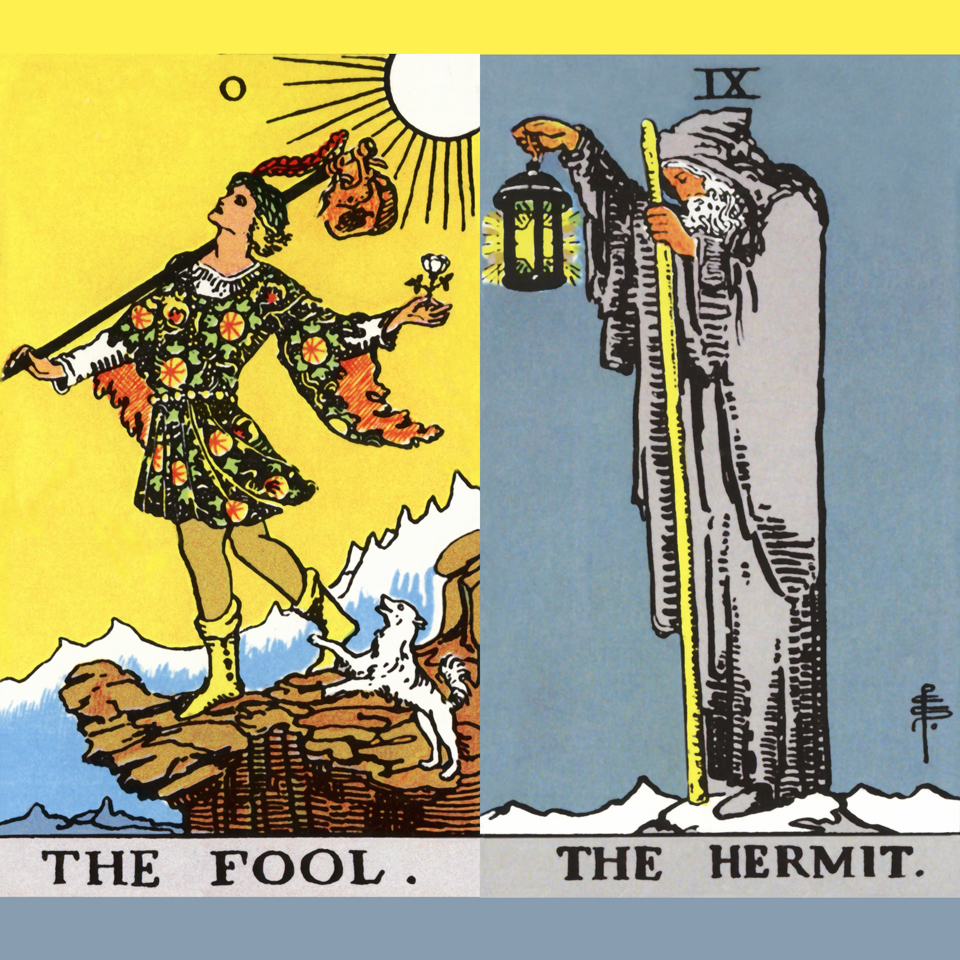
RWS The Fool and the Hermit

RWS The Fool and the Hermit
At a closer look, there are many similarities between two or sometimes three cards of the Major Arcana. There are hidden – esoteric -, underlying connections.
One of these pairs can be Read more The Fool and the Hermit

Practical Tarot Shadow work explained

Tarot shadow work

Tarot shadow work
The idea of ‘shadow’ originates in the work of Swiss psychiatrist Carl Gustav Jung. In Jungian psychology, the ‘shadow’ refers to an unconscious aspect of the personality which the conscious ego does not identify in itself, or it is a suppressed aspect of our nature. The shadow is roughly equivalent to the whole of the Freudian unconscious. Contrary to a Freudian definition of shadow, on the other hand, the Jungian shadow can include everything outside consciousness. It can be both positive or negative. According to Jung, the shadow Read more Practical Tarot Shadow work explained

The seventy-eight Tarot card and their attributions

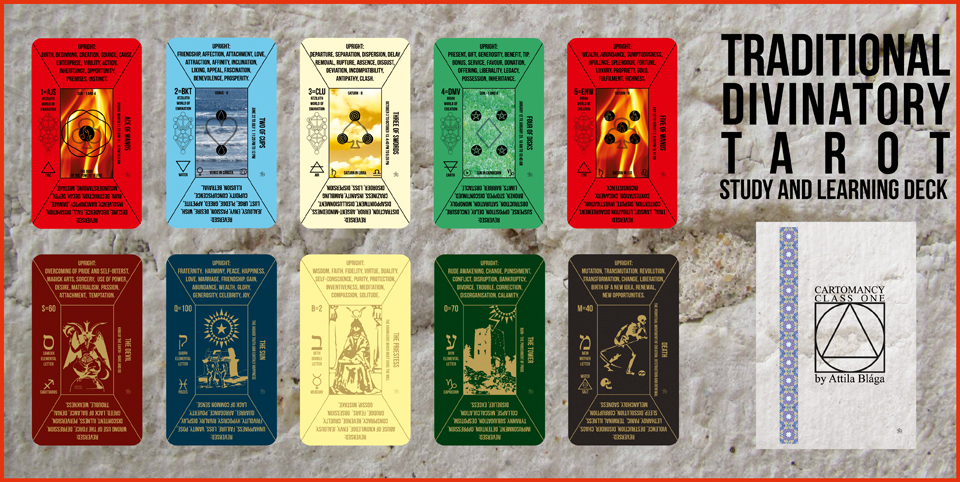
Traditional Divinatory Tarot, Three of Wands

Traditional Divinatory Tarot

When it comes to the interpretation of the cards, most commonly, people prefer the so-called Waite method associated with the Rider-Waite-Smith deck and subsequently the Hermetic Order of the Golden Dawn. Another highly popular method is the one associated with Aleister Crowley’s Thoth Tarot deck. However, few people are aware that both occultists were members of the Golden Dawn and the foundation of interpreting the cards originates in the work of famous French cartomancer Etteilla. Several other occultists, including Read more The seventy-eight Tarot card and their attributions

Another look at the Court Cards, part one

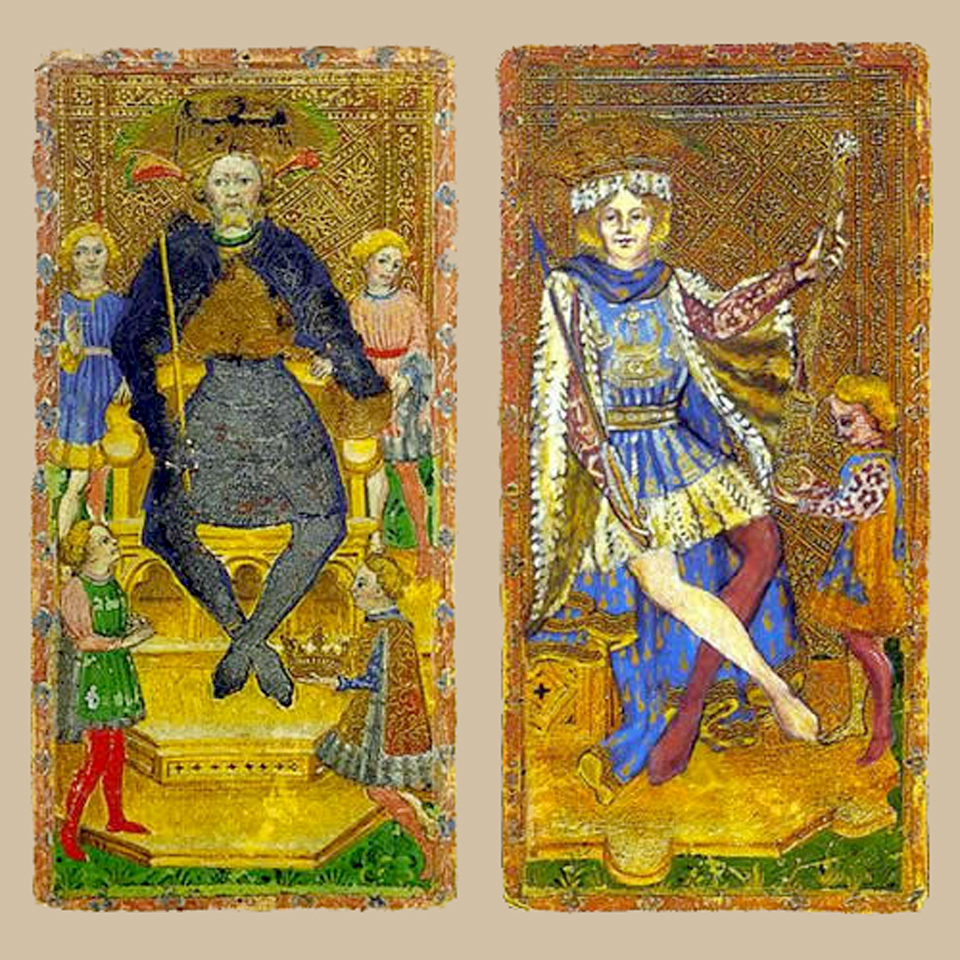
The Emperor and the King of Wands (Cary-Yale Visconti)

The Emperor and the King of Wands (Cary-Yale Visconti)

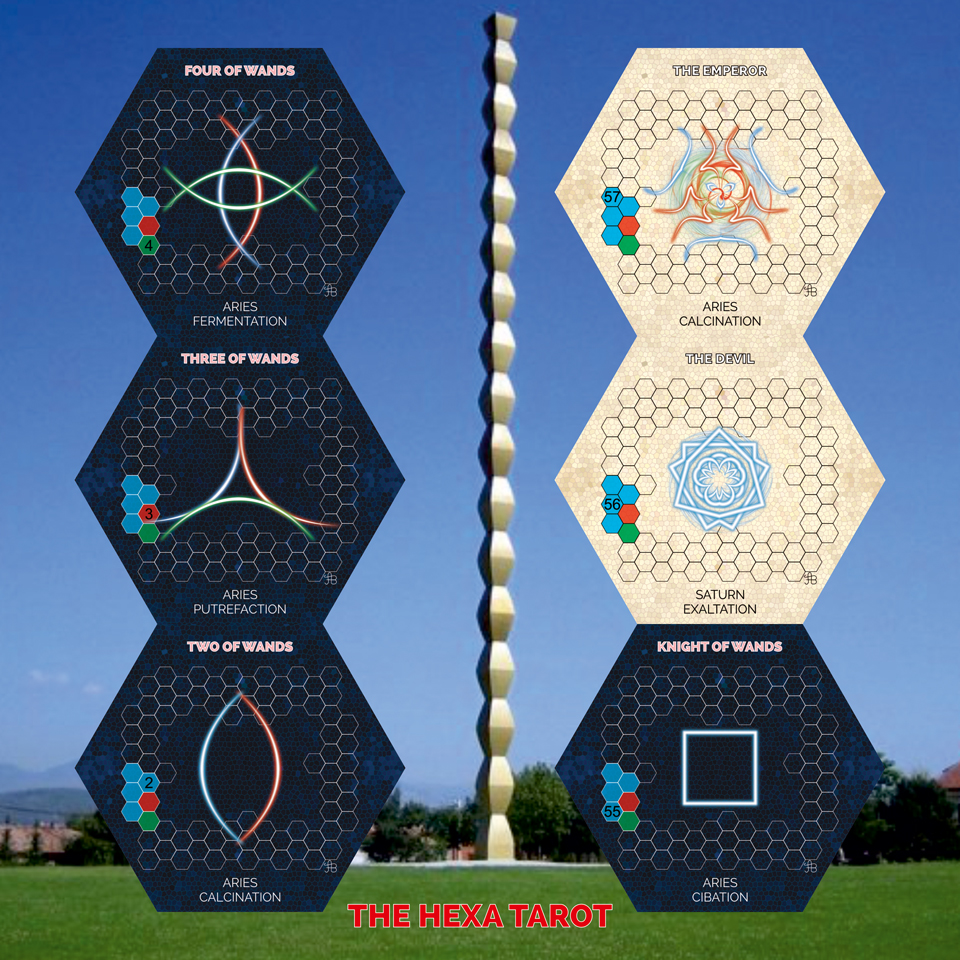
The Knight of Wands, Queen of Disks and Page of Swords.

The Court Cards are the super-humans of the deck of cards. They are the gods-chosen, the representatives of the gods in our world. For example, the Two, Three and Four of Wands are different facets of the Knight of Wands and their process of spiritual development – which may be called awakening or enlightenment – should lead them to transform into Knights of Wands. Read more Another look at the Court Cards, part one

Archetypes and iconography

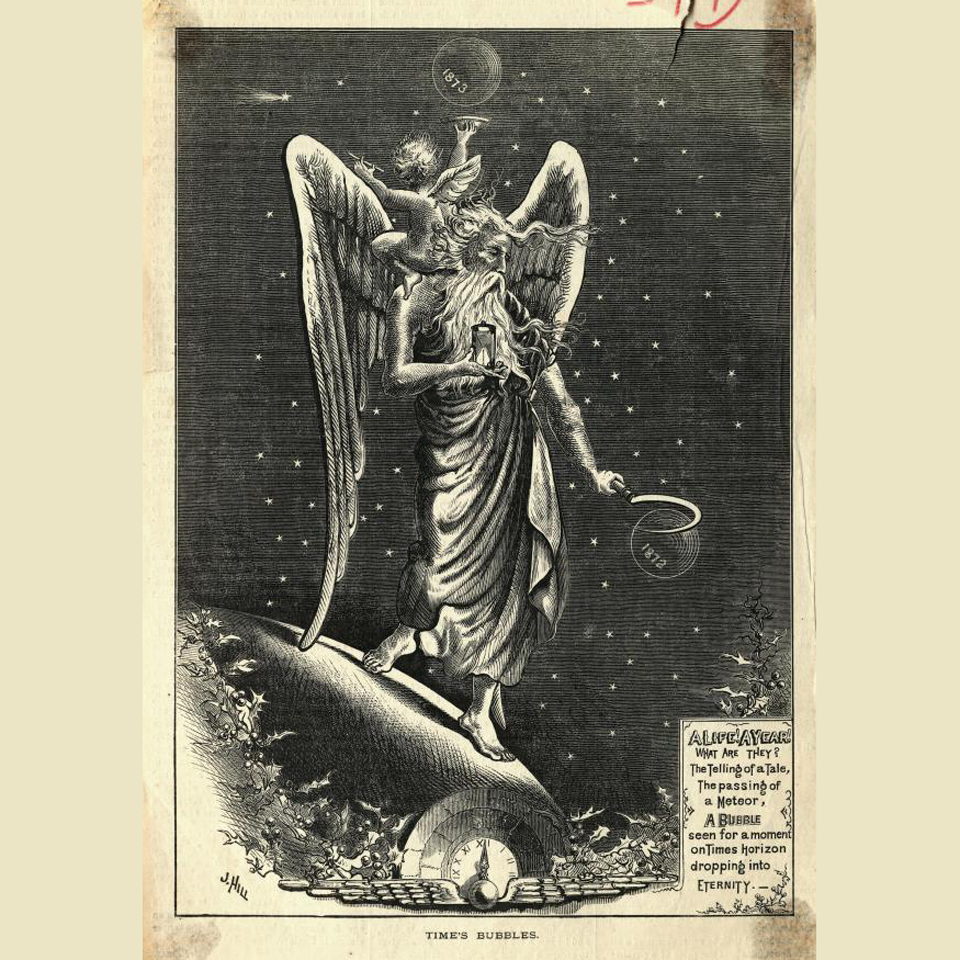
The Hermit Father of Time The Wise Old Man

The Hermit Father of Time The Wise Old Man
“…the Alphabet of Thoth can be dimly traced in the modern Tarot which can be had at almost every bookseller in Paris. As for it being understood or utilised, the many fortune-tellers in Paris, who make a professional living by it, are sad specimens of failures of attempts at reading, let alone correctly interpreting the symbolism of the Tarot without a preliminary philosophical study of the Science.” – Helena Petrovna Blavatsky Read more Archetypes and iconography

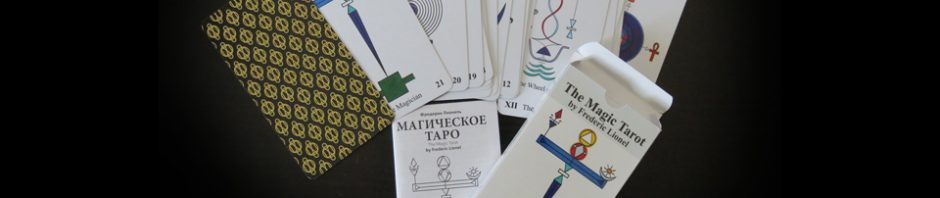
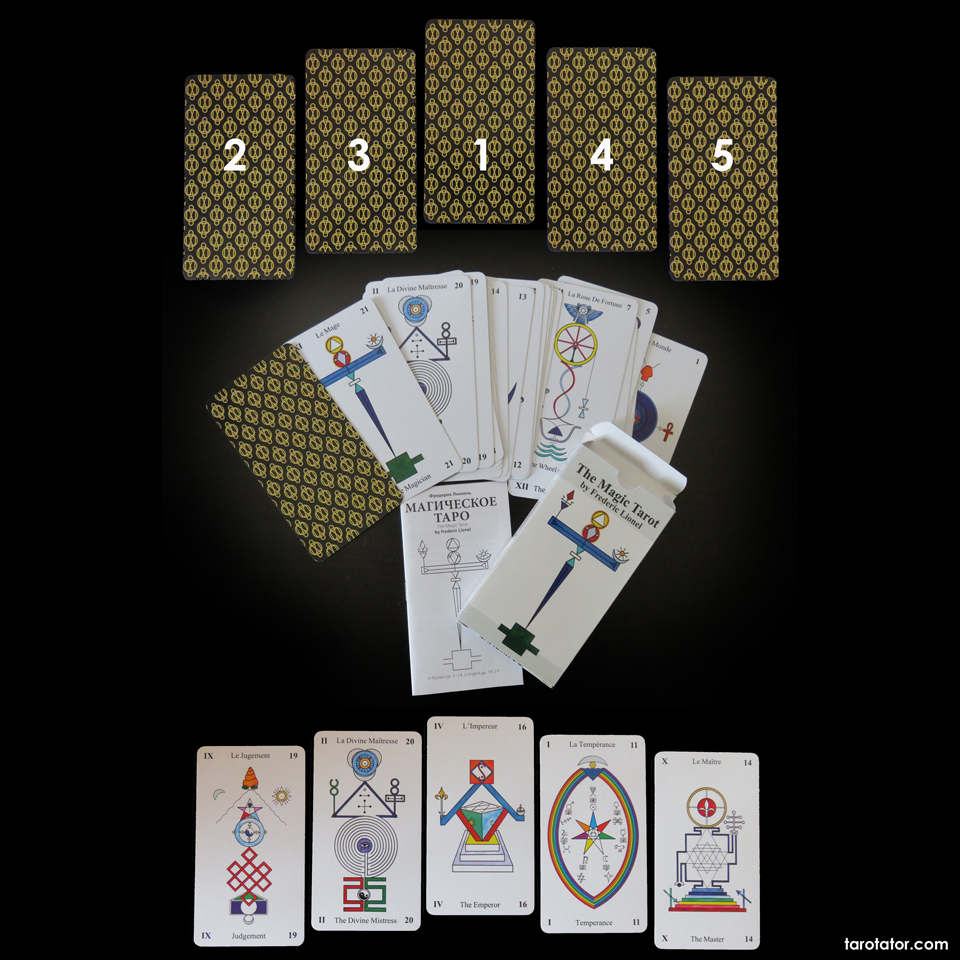
Reading with the Magic Tarot by Frederic Lionel

Reading with the Magic Tarot by Frederic Lionel

Reading with the Magic Tarot by Frederic Lionel
Frédéric Lionel was born on 17 July 1908, in Amphion les Bains, France. “The Magic Tarot: Vehicle of Eternal Wisdom” was published initially in Franch by Editions du Rocher in 1980. The English translation I own was published in 1982 by Routledge & Kegan Paul Ltd. The book was accompanied by an exclusive, Major Arcana only deck designed by Lionel. The Magic Tarot is one of the very few specially designed, esoteric – divinatory if you prefer – Tarot decks. While the traditional Western esoteric system, primarily represented by the Golden Dawn, is Kabbalah based and only by subordination connected to Astrology and Numerology, Lionel’s work focuses on Alchemy and aspects of self-development and enlightenment. Read more Reading with the Magic Tarot by Frederic Lionel

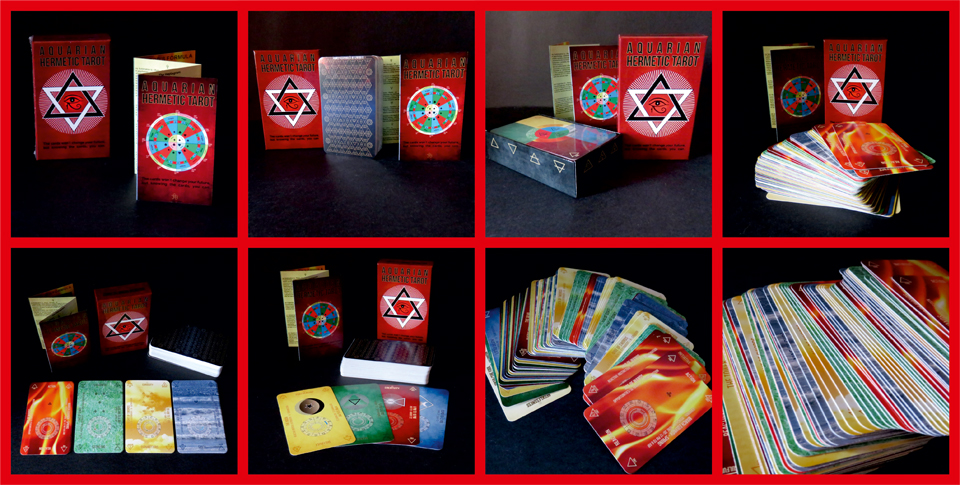
Aquarian Hermetic Tarot (2019)

Aquarian Hermetic Tarot
Hermeticism, also called Hermetism, is a philosophical and esoteric tradition based primarily upon the writings attributed to Hermes Trismegistus. The name Hermes Trismegistus in Ancient Greek means ‘thrice-greatest Hermes’ and was translated into Latin as “Mercurius ter Maximus”.
Hermes Trismegistus may be associated with the Greek god Hermes and the Egyptian god Thoth.

Read more Aquarian Hermetic Tarot (2019)

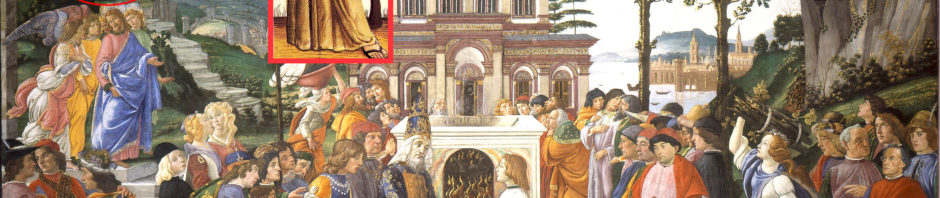
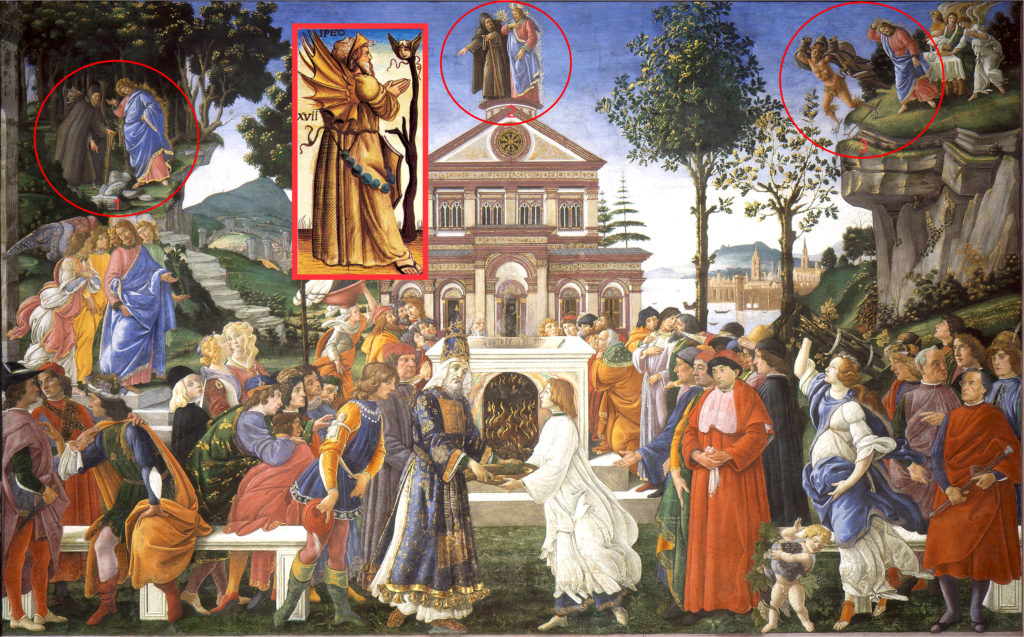
The Hermit in Botticelli’s Temptations of Christ

The Hermit in Botticelli’s Temptations of Christ

The Hermit in Botticelli’s Temptations of Christ

The Temptations of Christ is a fresco by the Italian Renaissance painter Sandro Botticelli, executed in 1480–1482 and located in the Sistine Chapel, Rome.
In 1480 Botticelli, together with a couple other Florentine painters, left for Rome, where he had been called as part of the reconciliation project between Lorenzo de’ Medici, the de facto ruler of Florence, and Pope Sixtus IV. The Florentines started to work in the Sistine Chapel as early as the Spring of 1481.
The theme of the decoration of the Chapel was a parallel between the Stories of Moses and those of Christ, showing the continuity between the Old and the New Testament. It also was meant to prove the continuity between the divine law of the Tables and the message of Jesus, who has chosen Peter, the first bishop of Rome, as his successor. This would finally result in the legitimation of the latter’s successors, the popes of Rome. Read more The Hermit in Botticelli’s Temptations of Christ