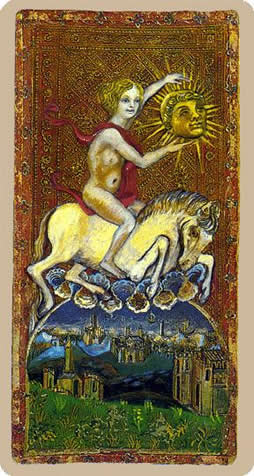
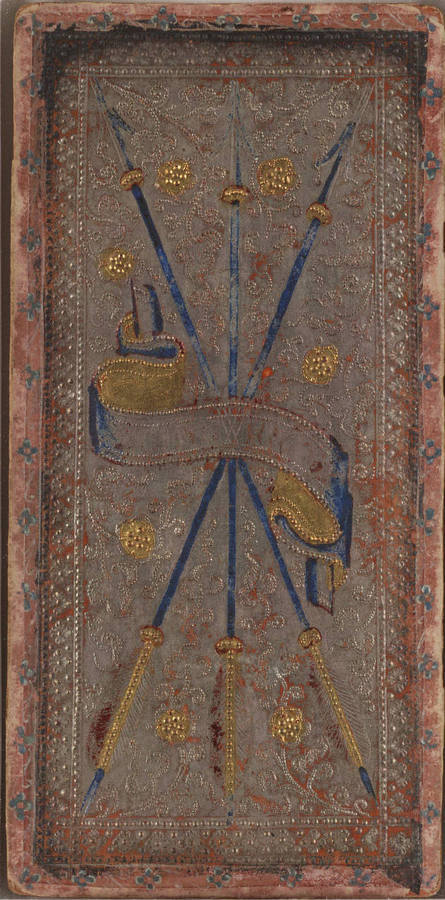
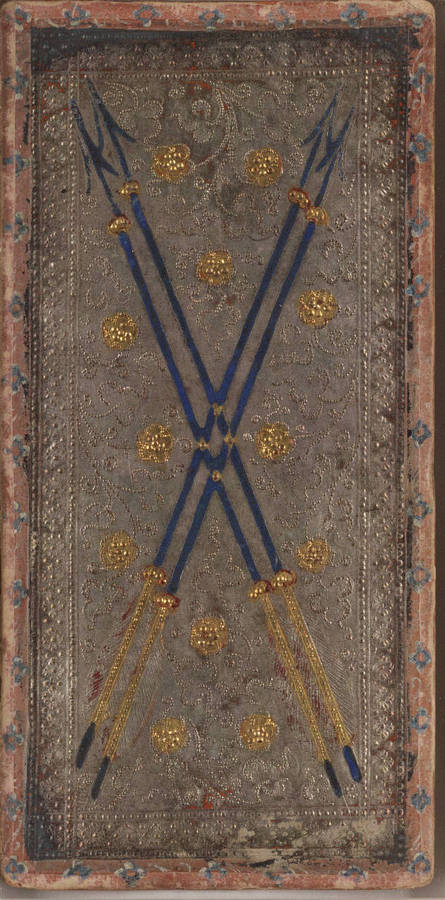
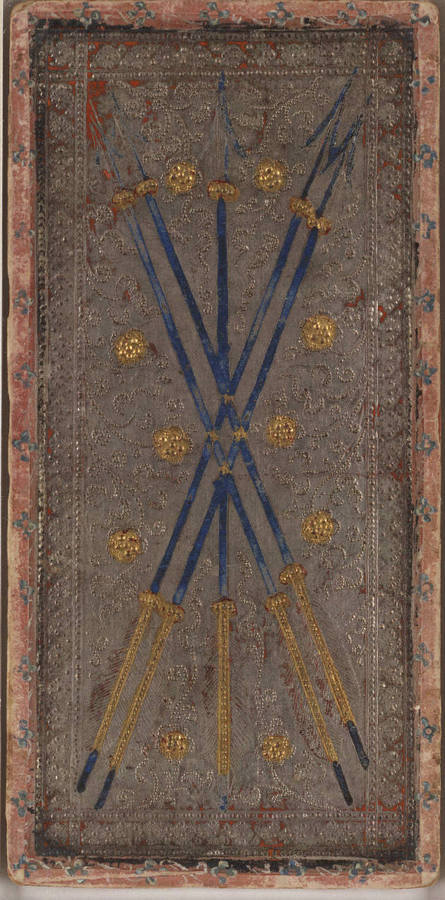
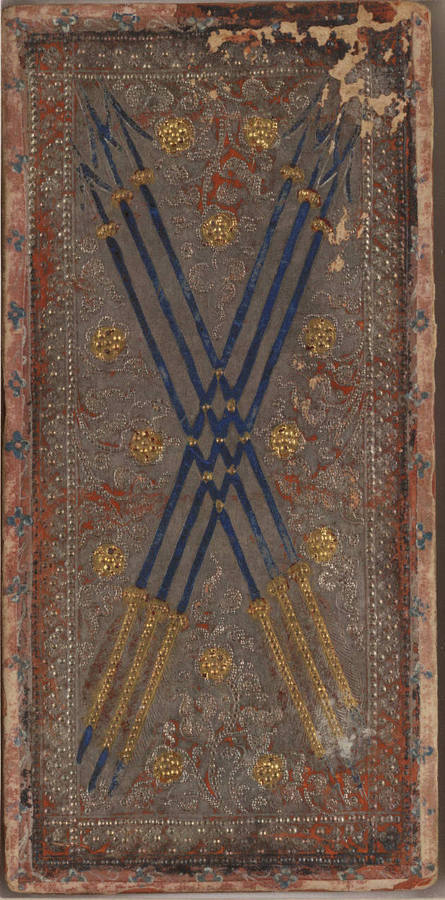
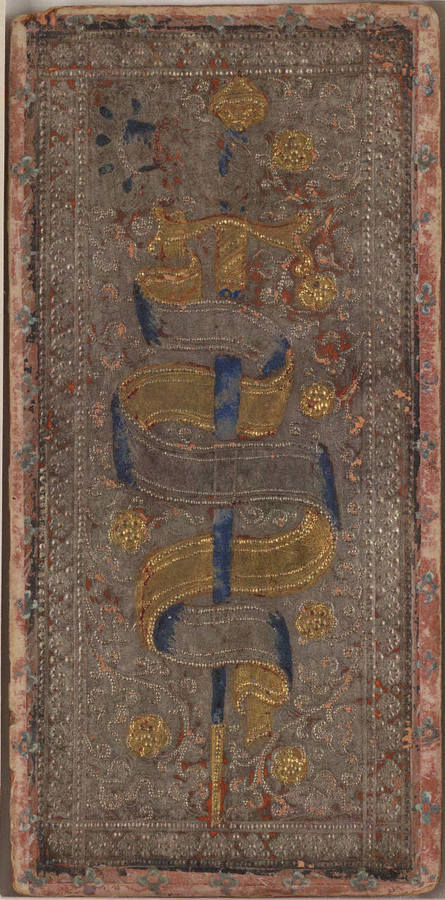
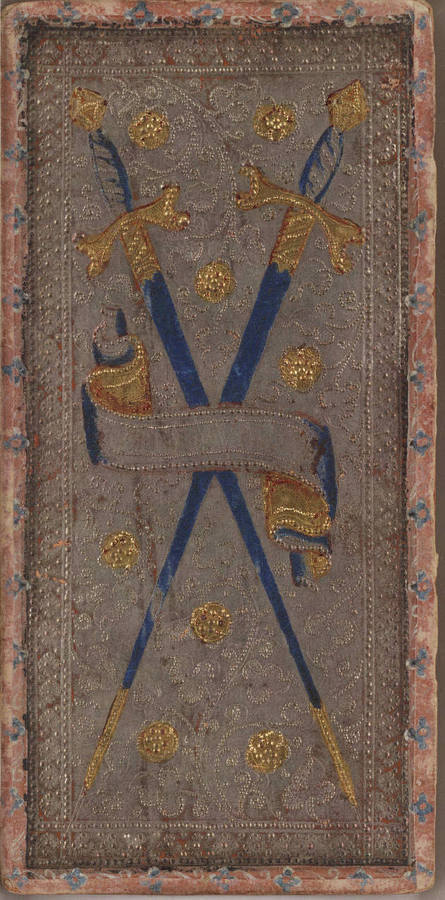
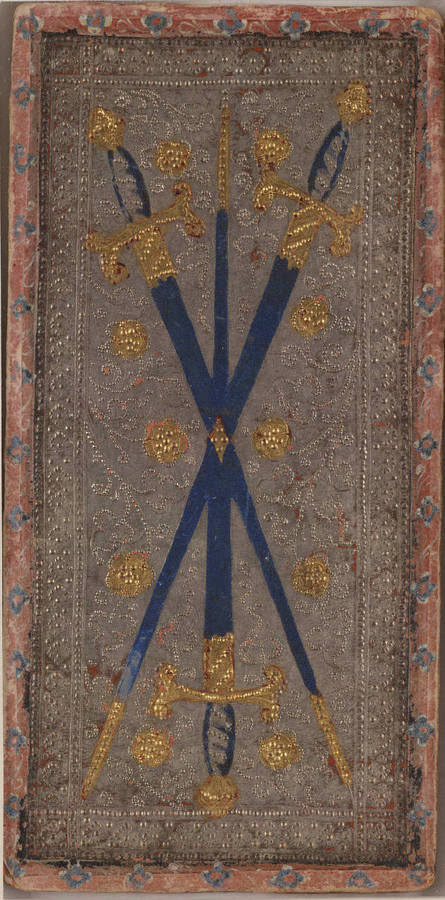
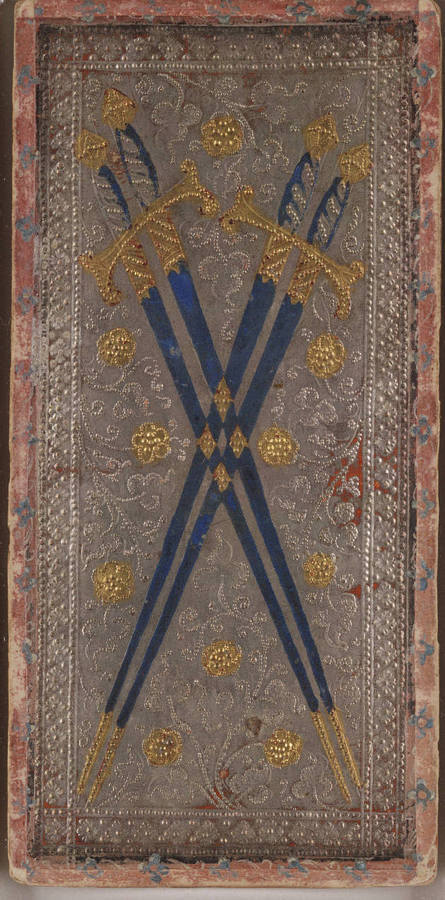
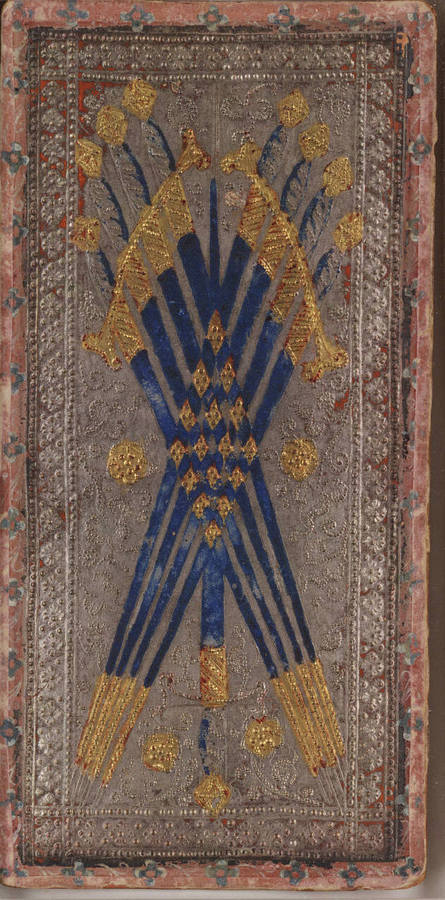
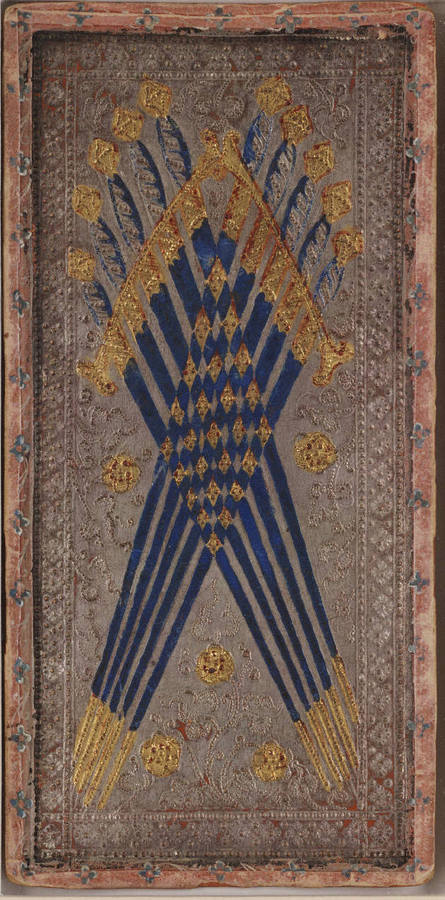
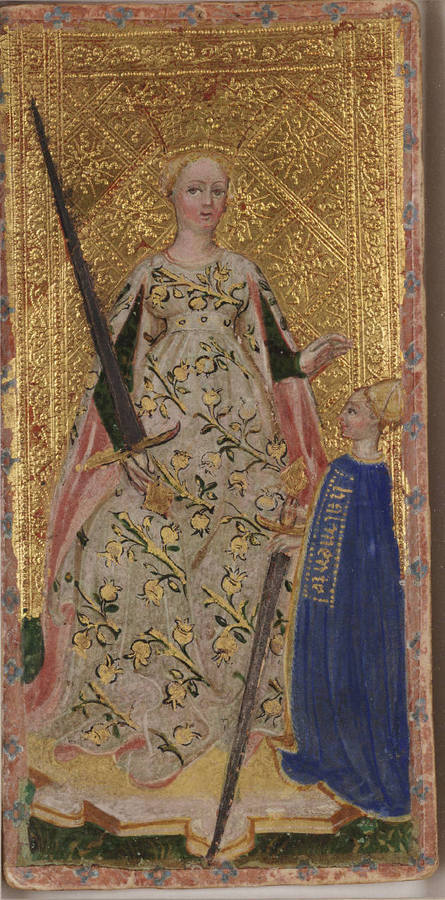
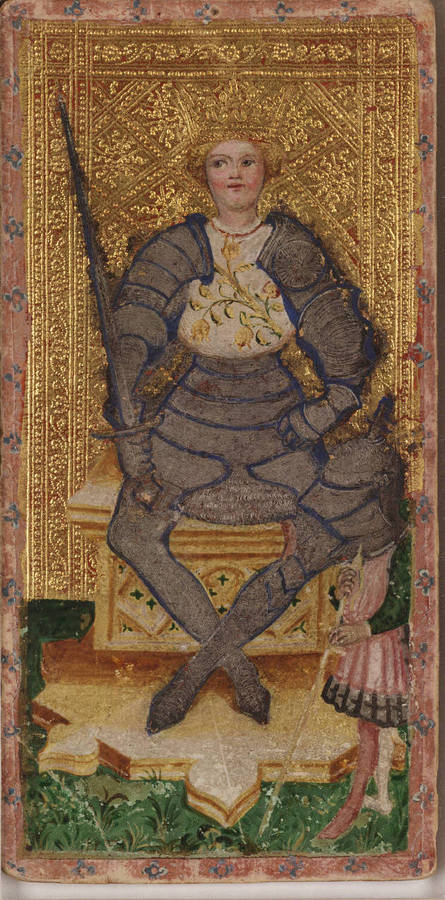
The Cary-Yale Visconti Tarrochi deck

The Cary-Yale Visconti Tarrochi deck

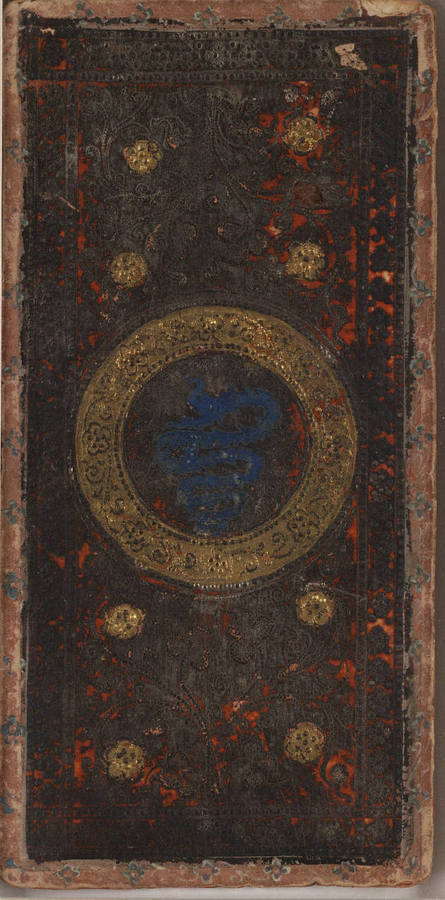
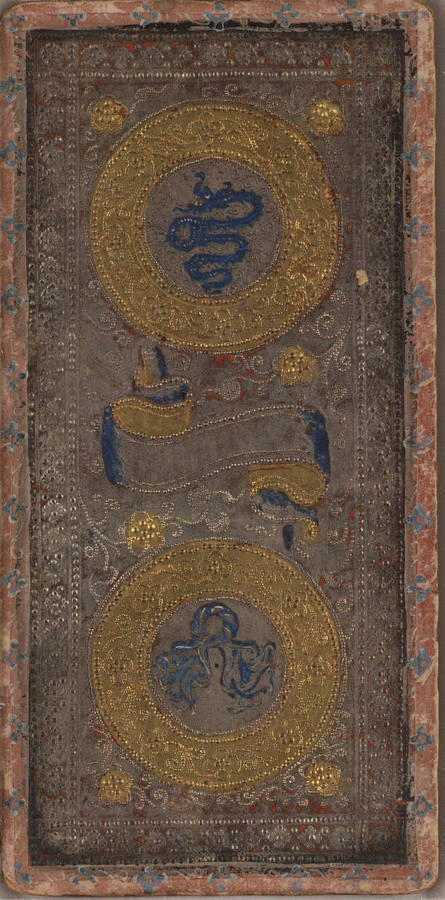
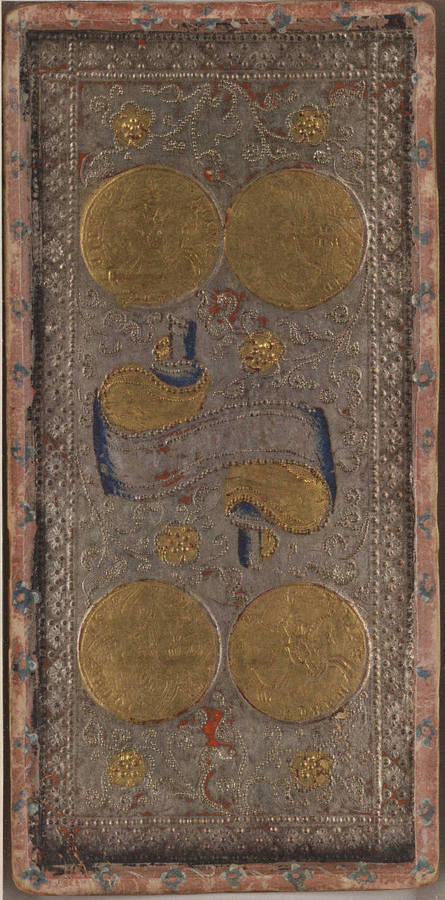
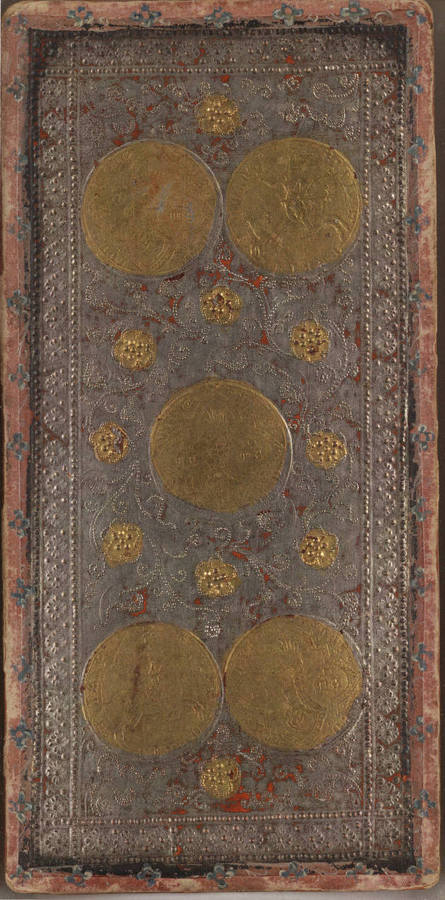
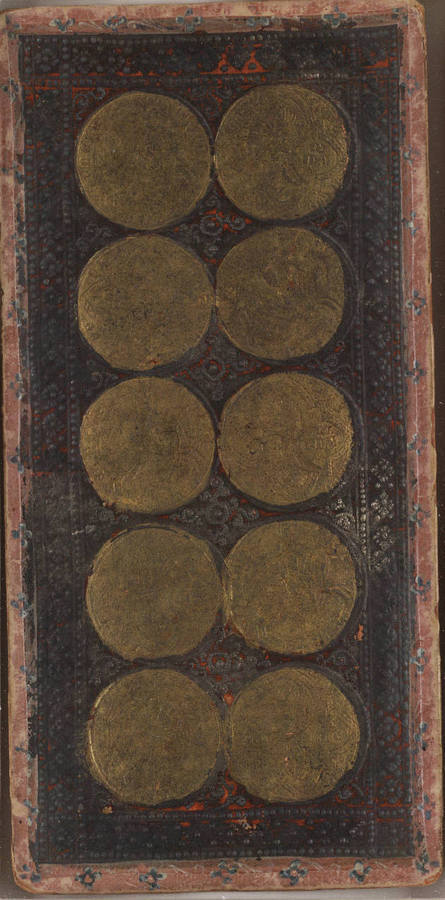
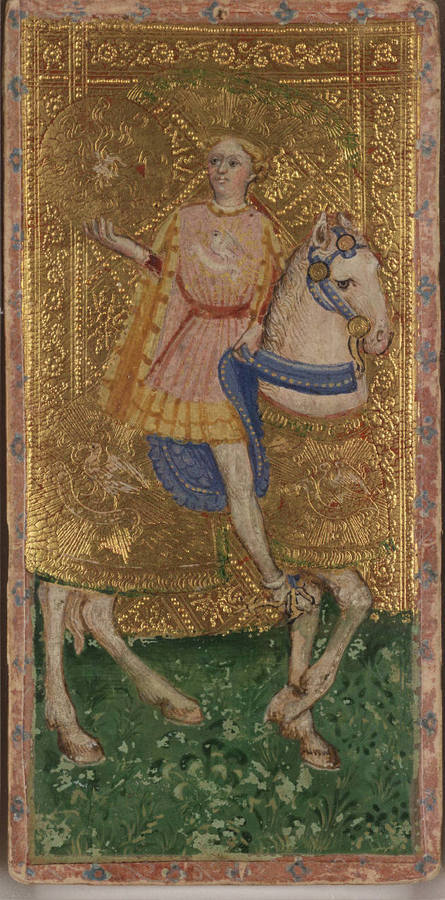
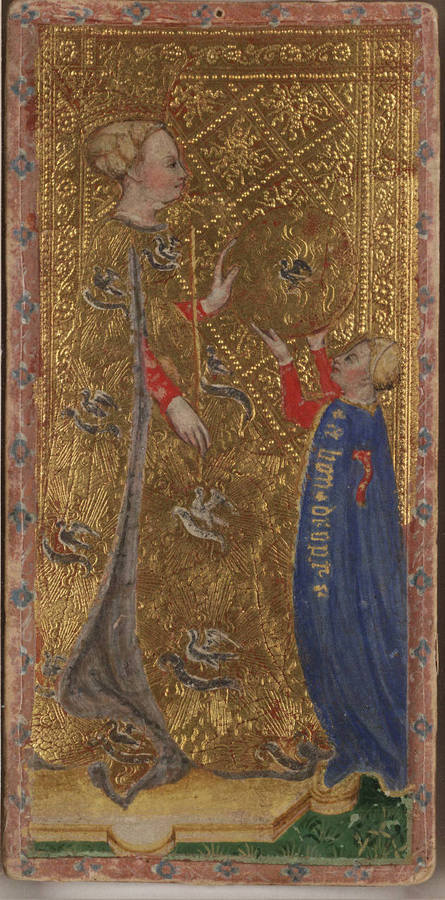
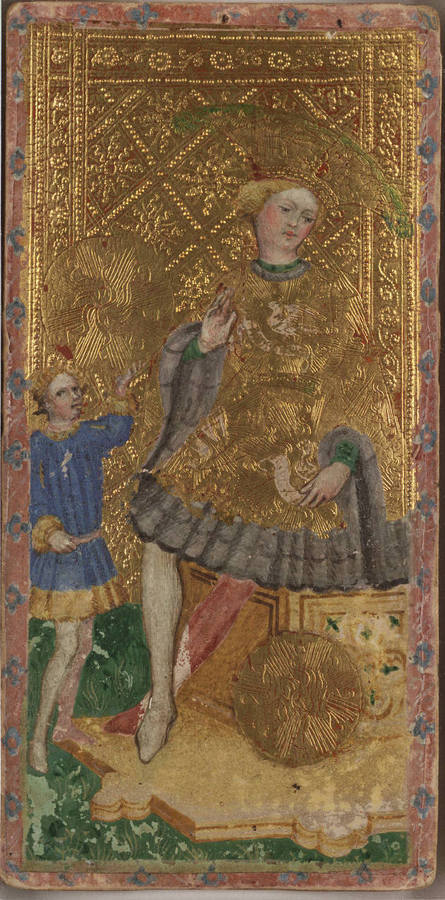
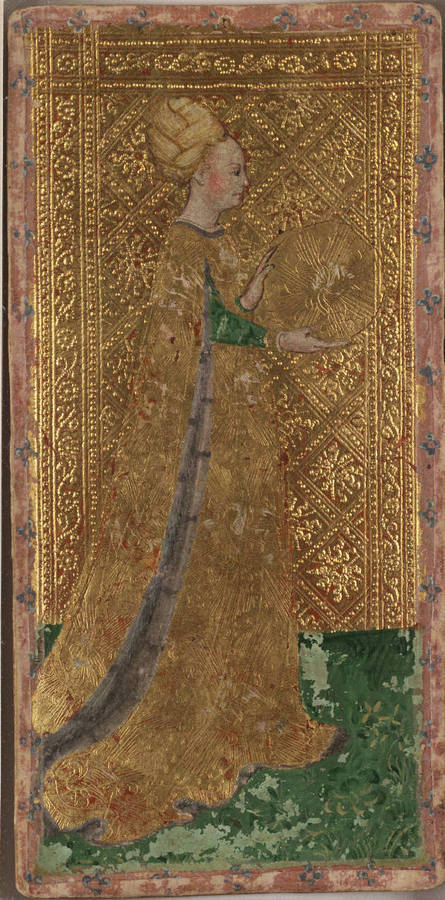
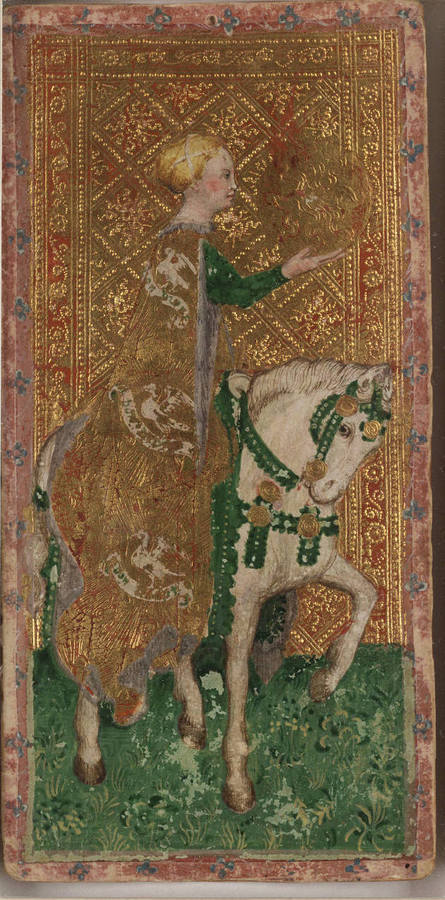
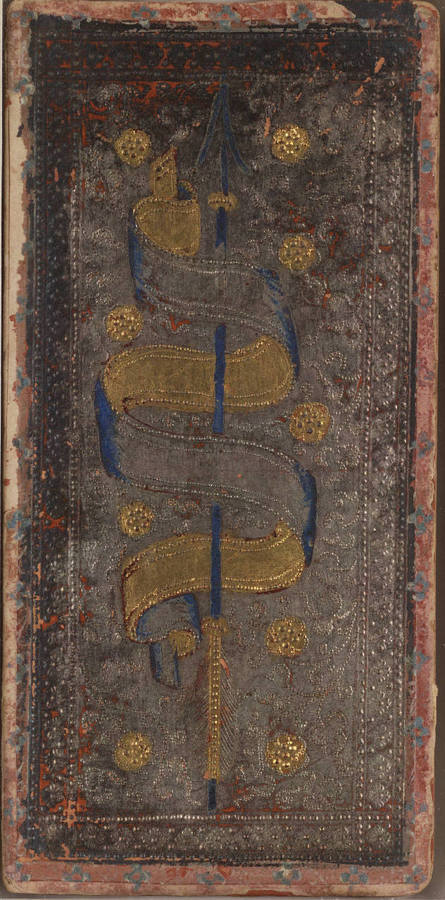
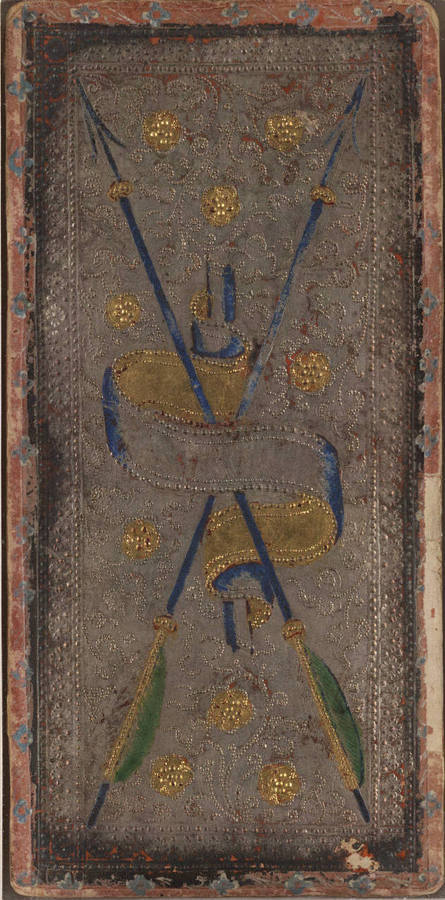
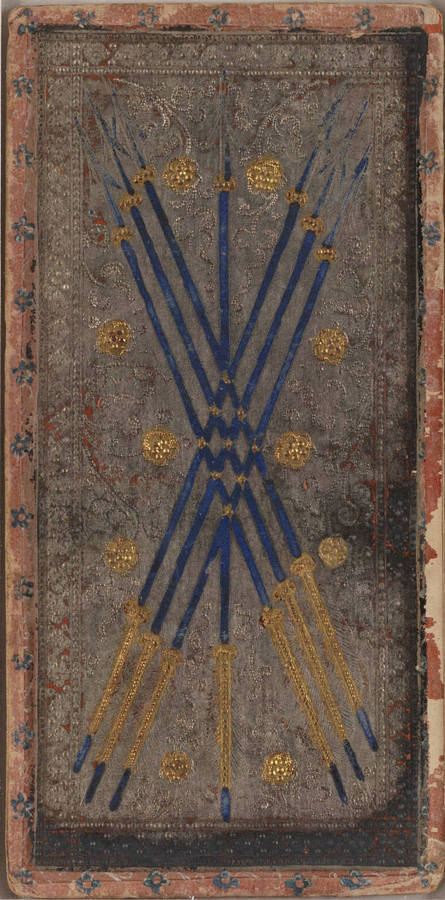
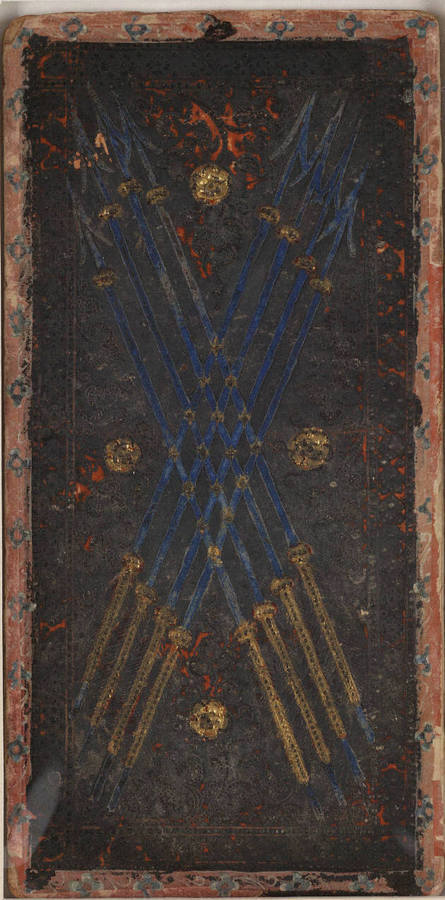
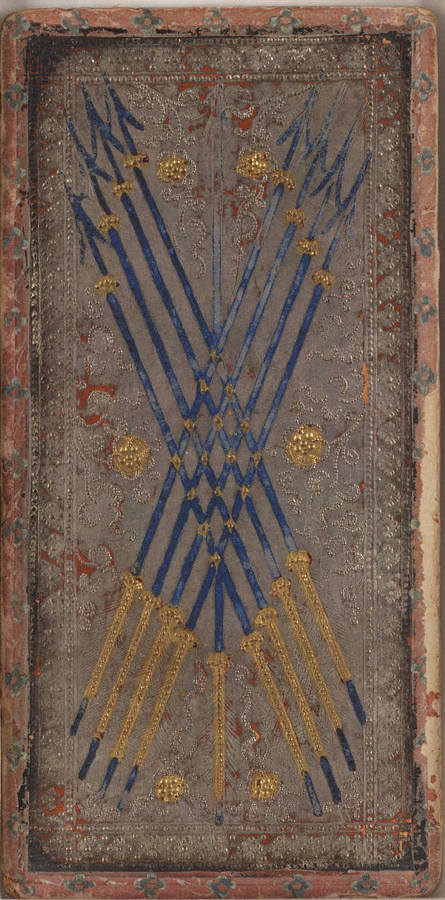
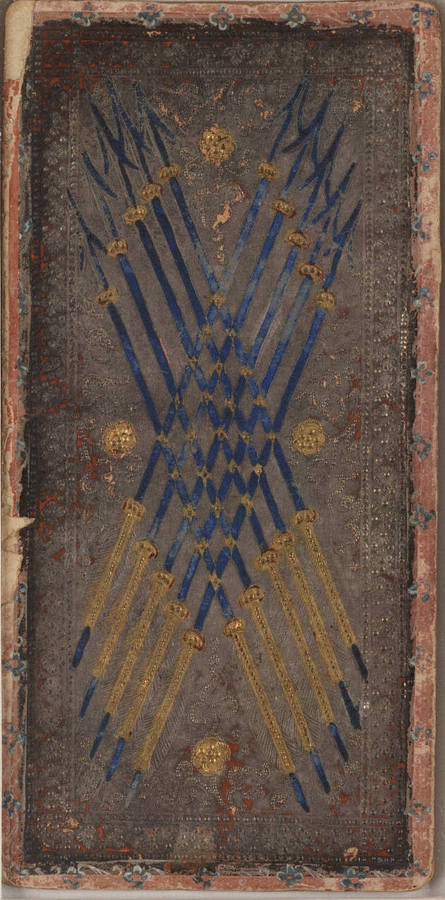
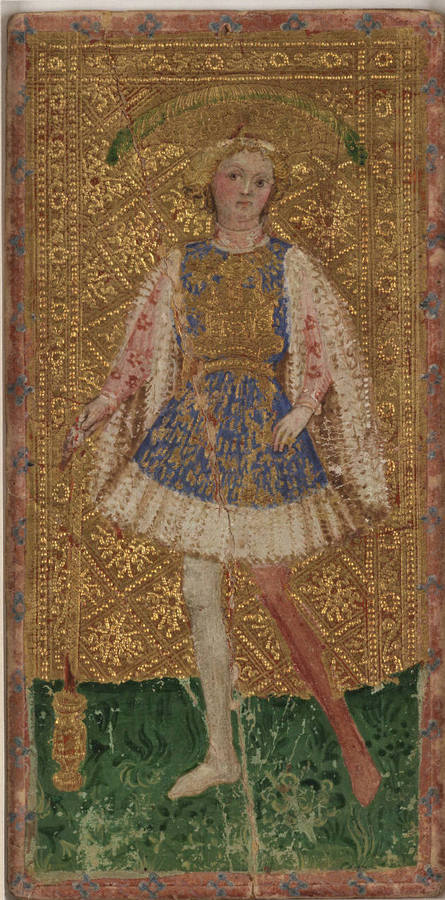
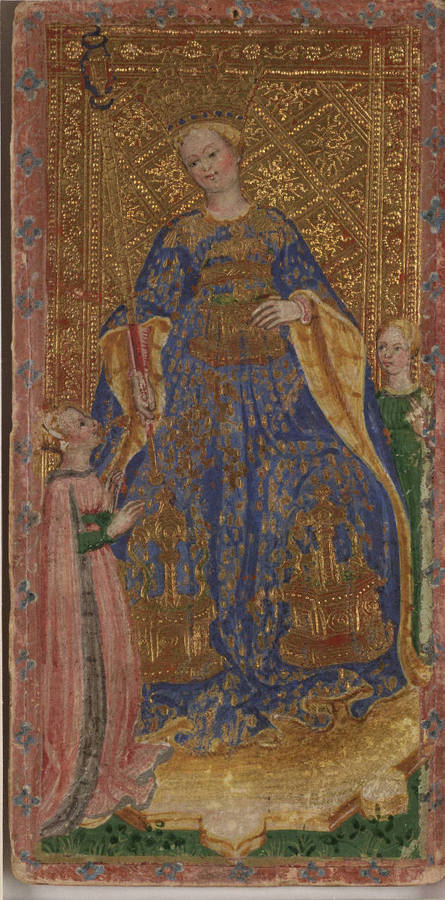
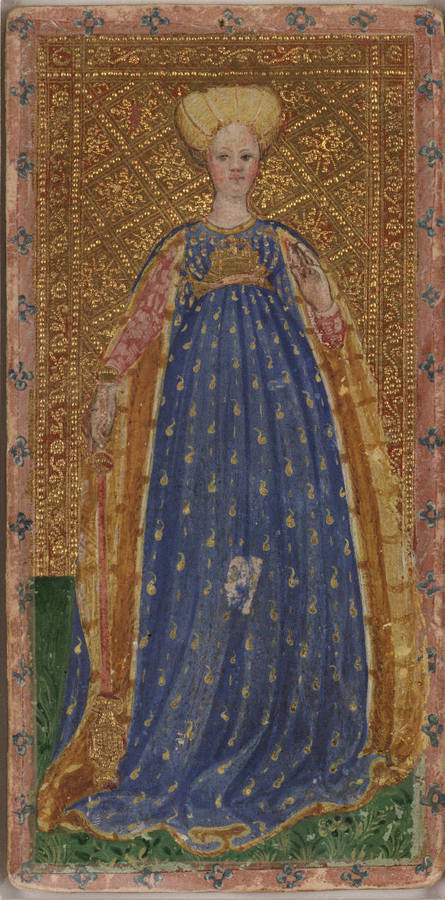
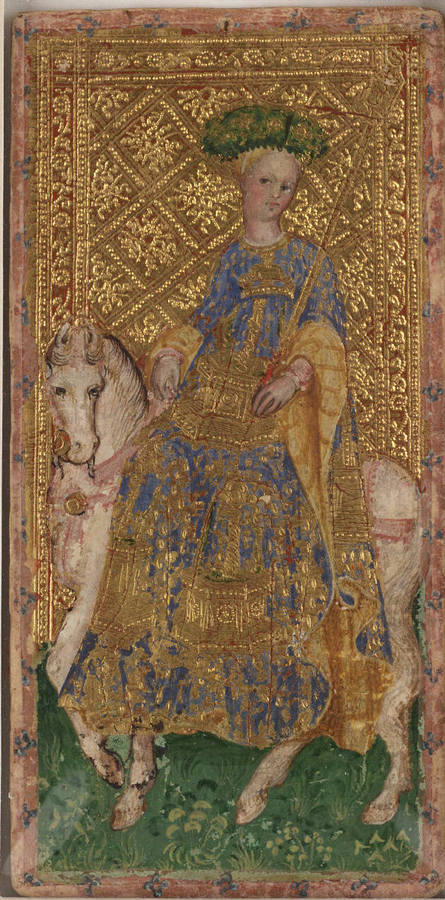
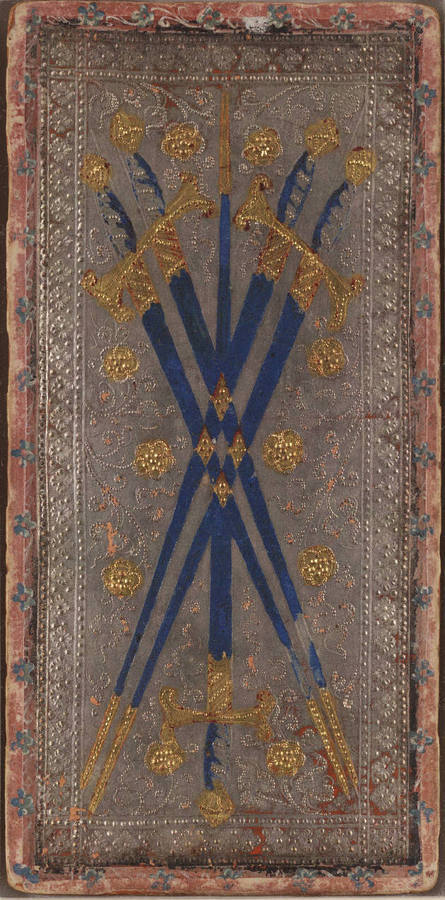
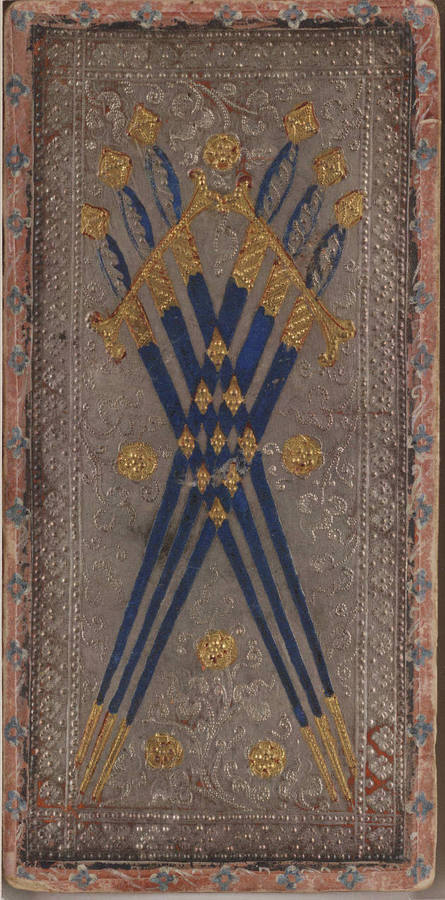
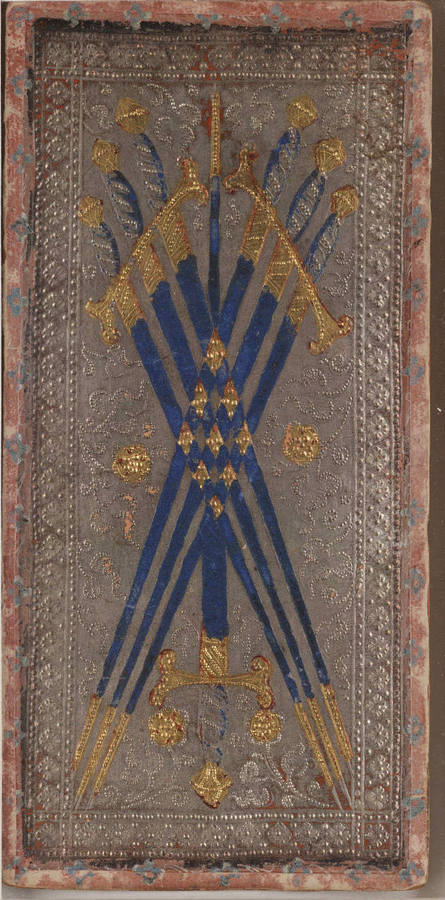
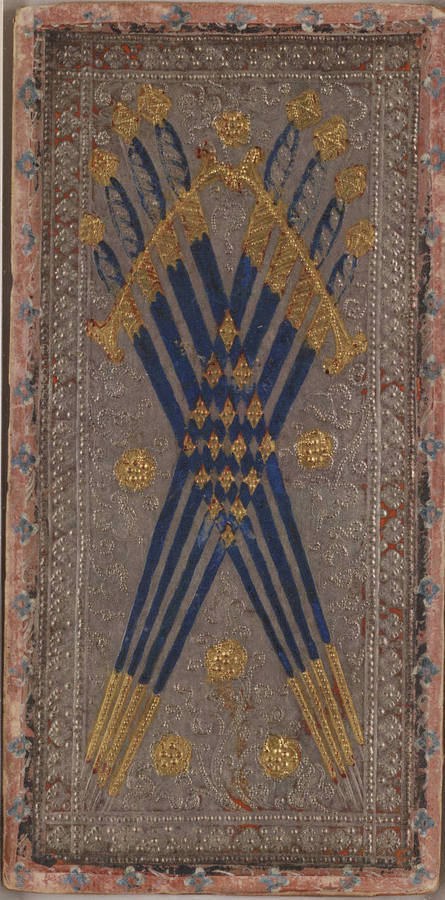
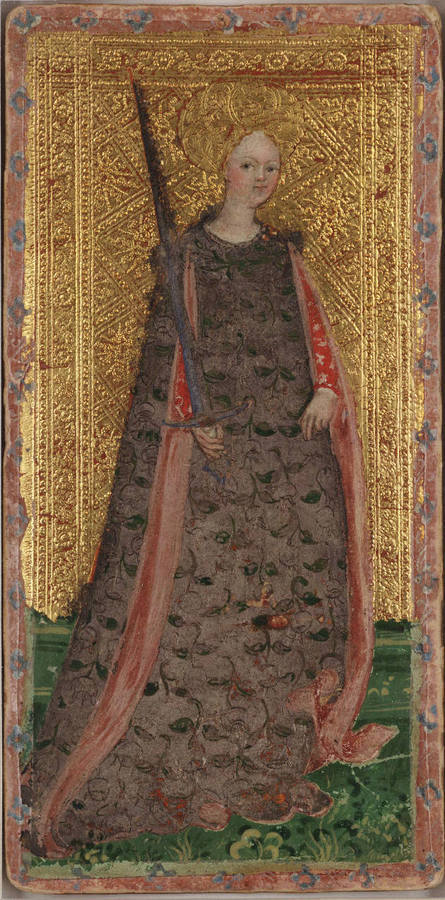
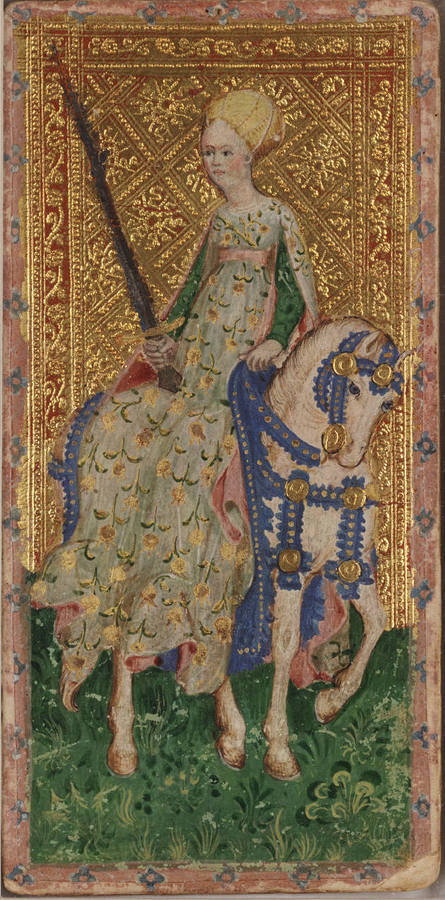
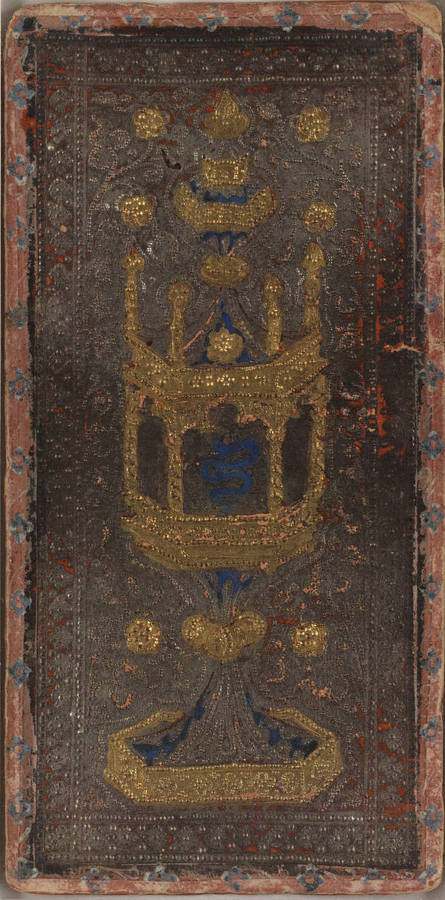
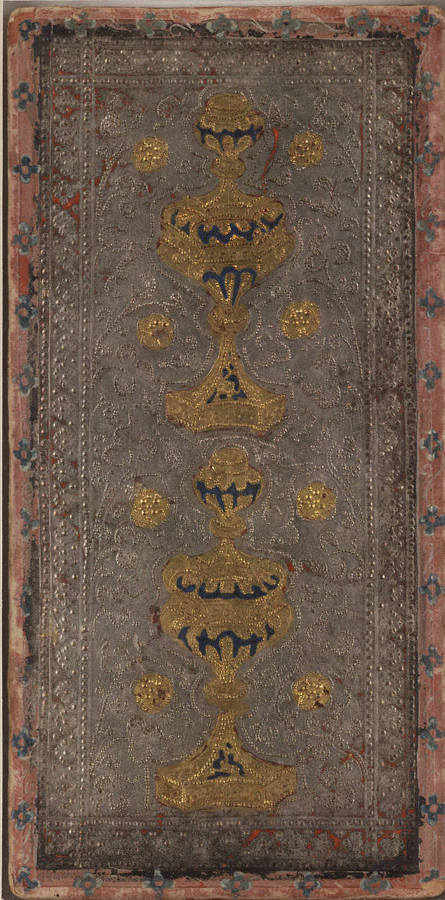
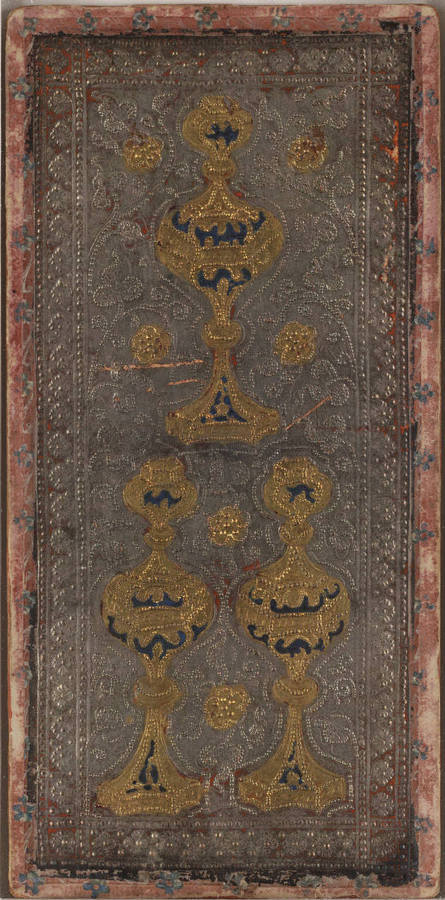
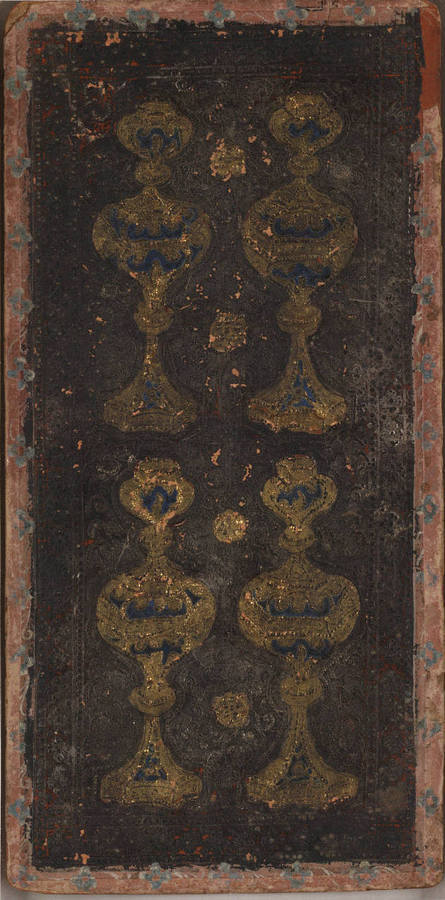
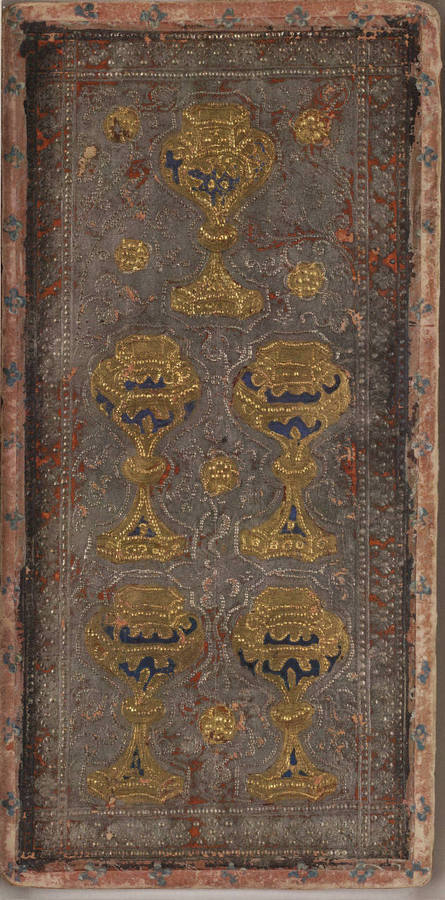
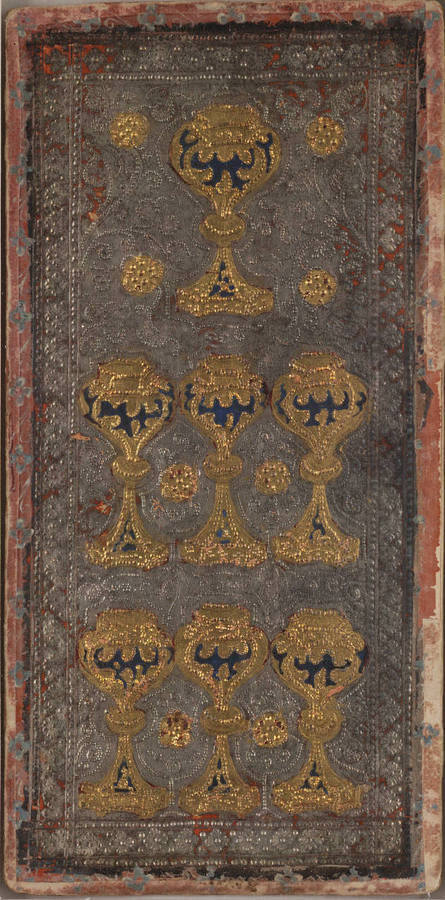
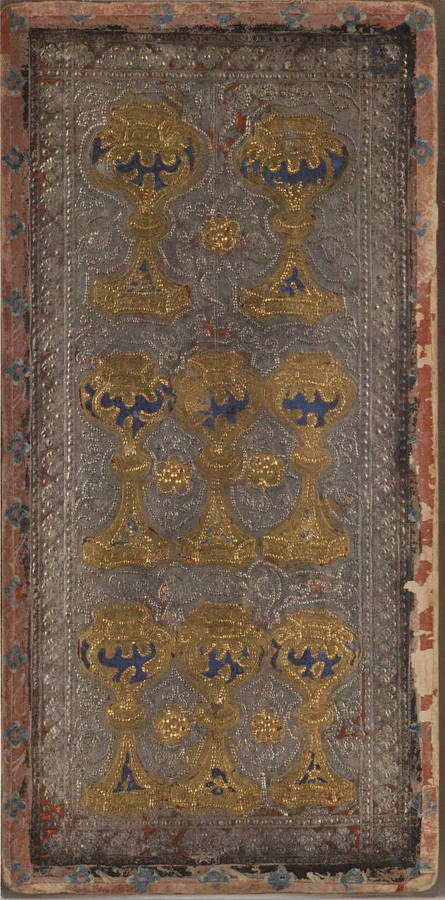
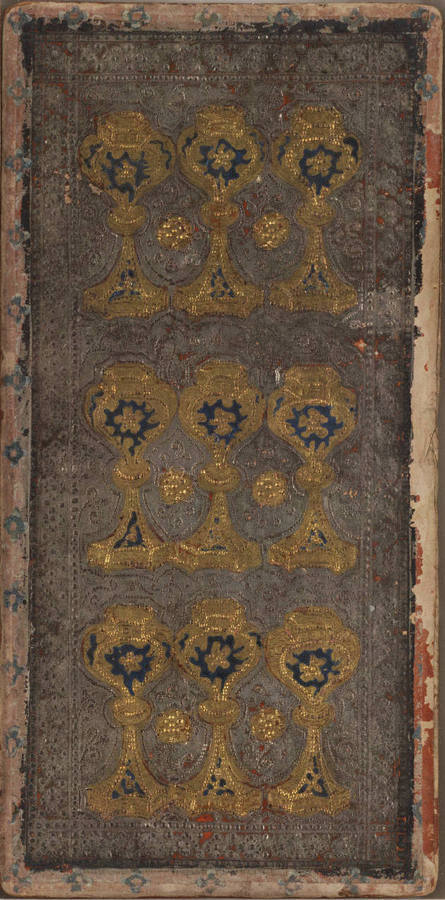
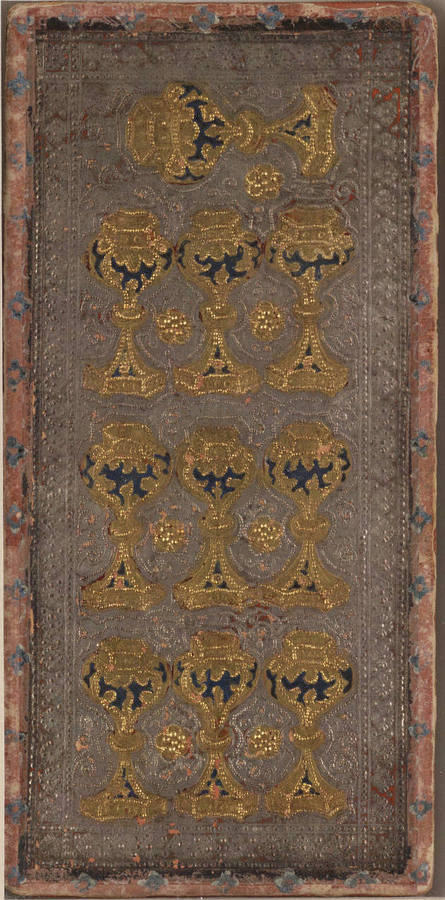
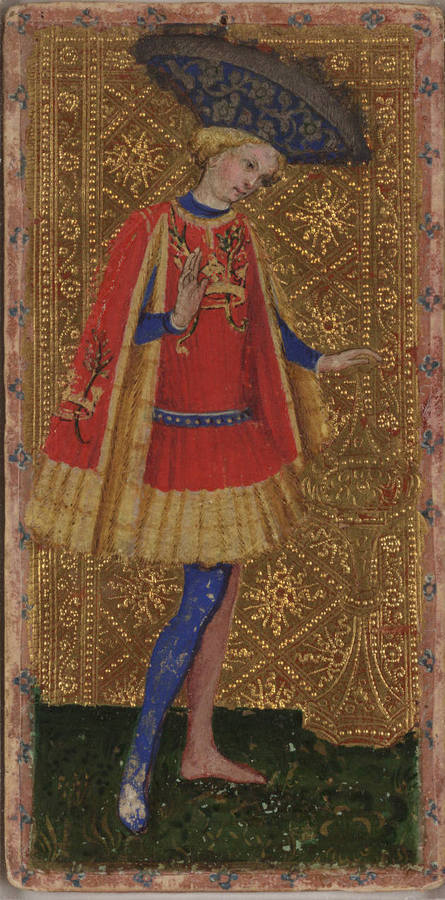
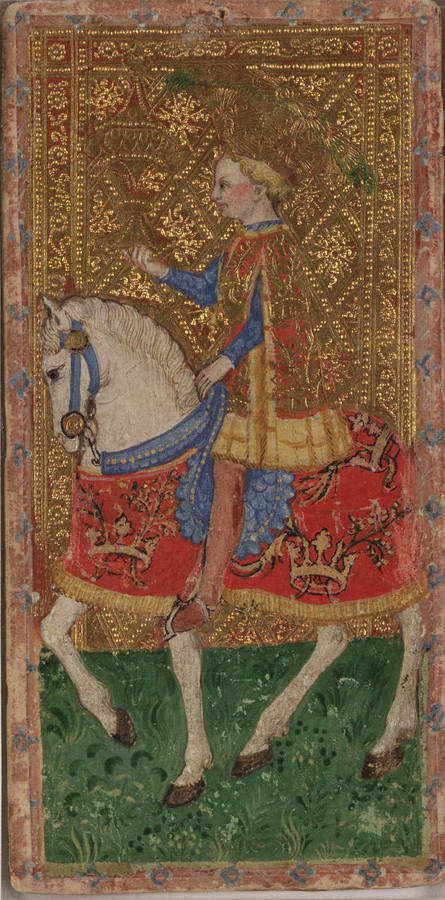
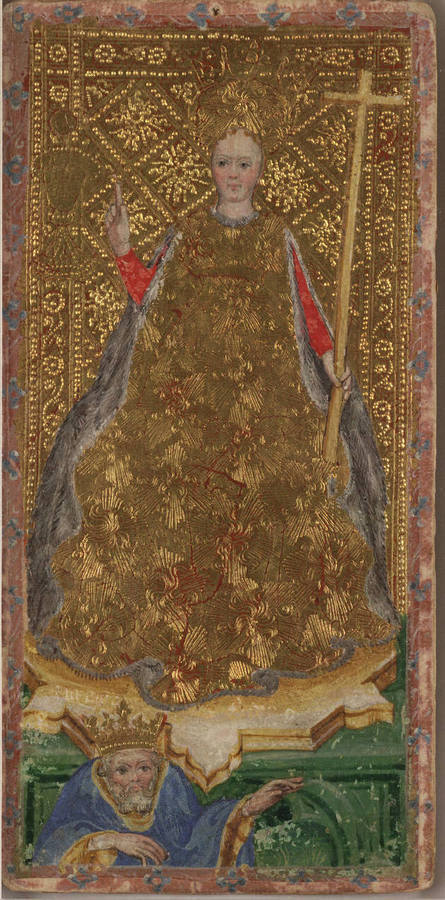
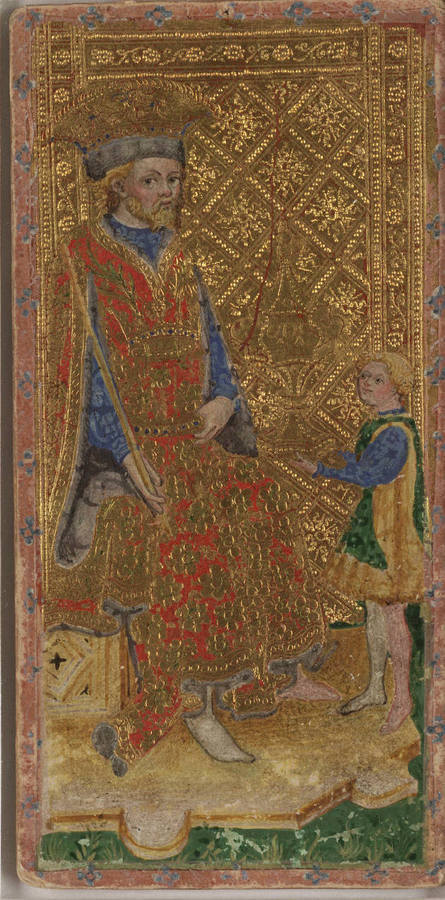
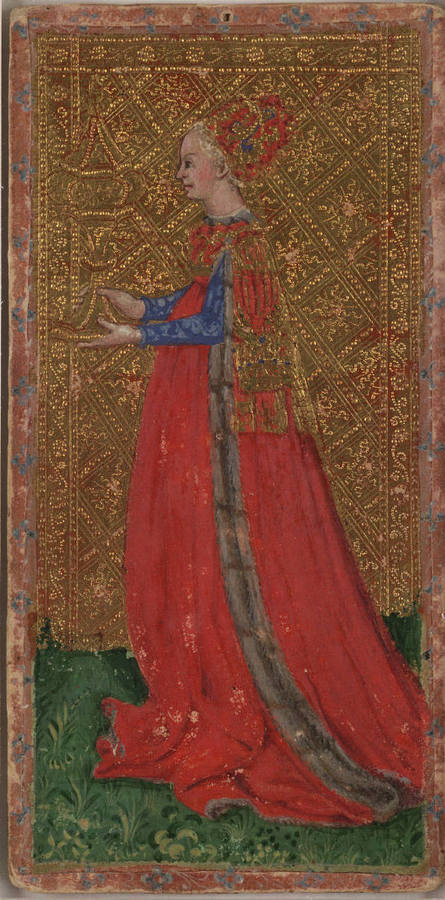
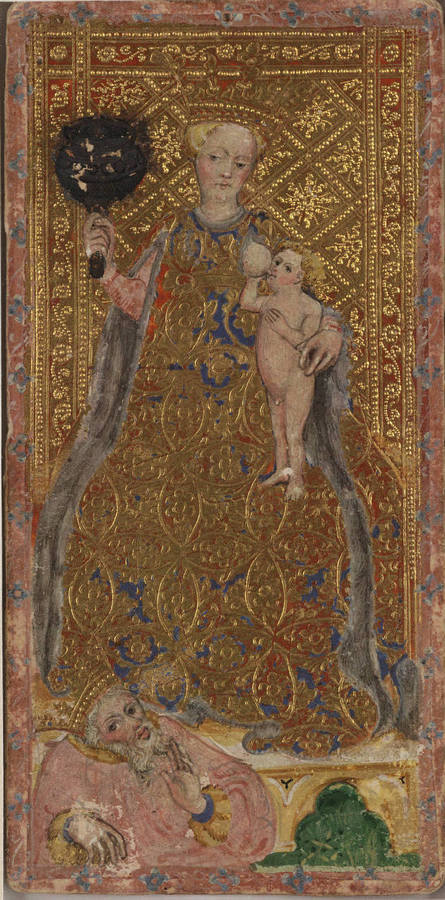
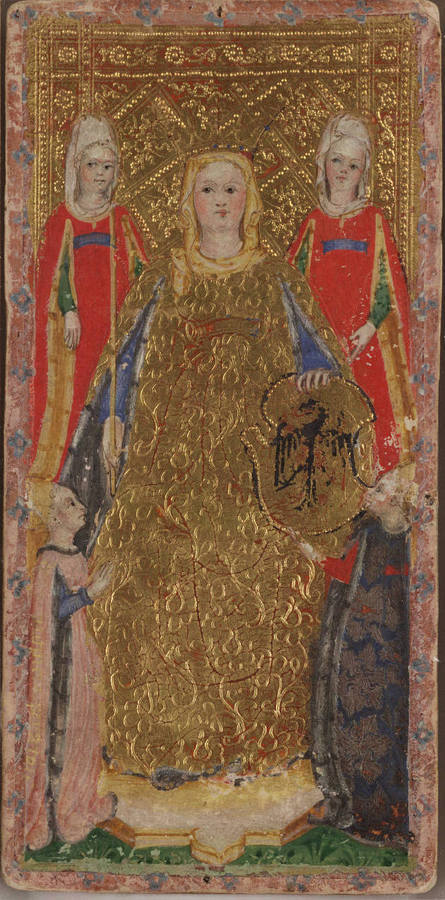
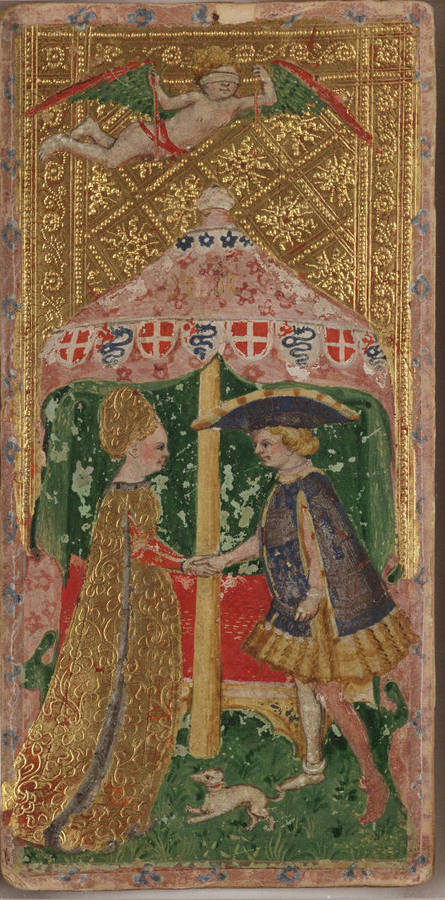
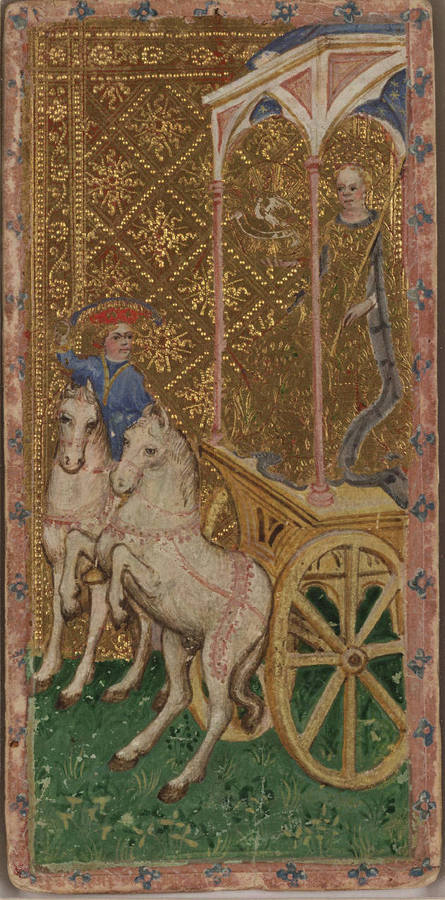
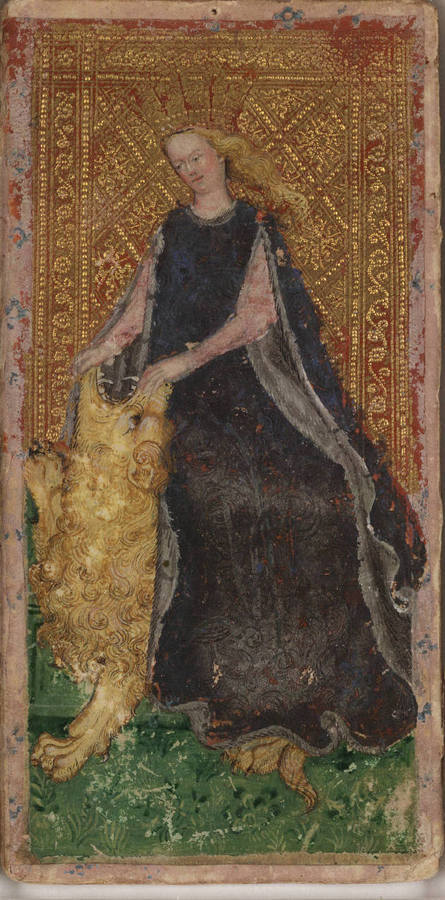
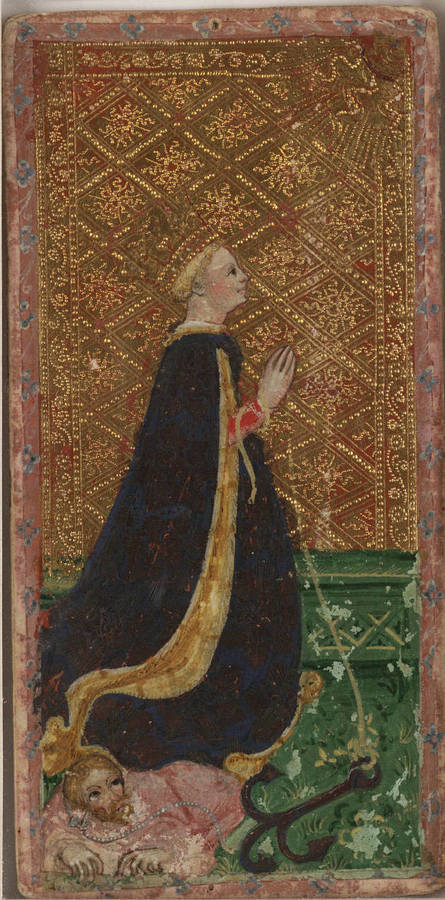
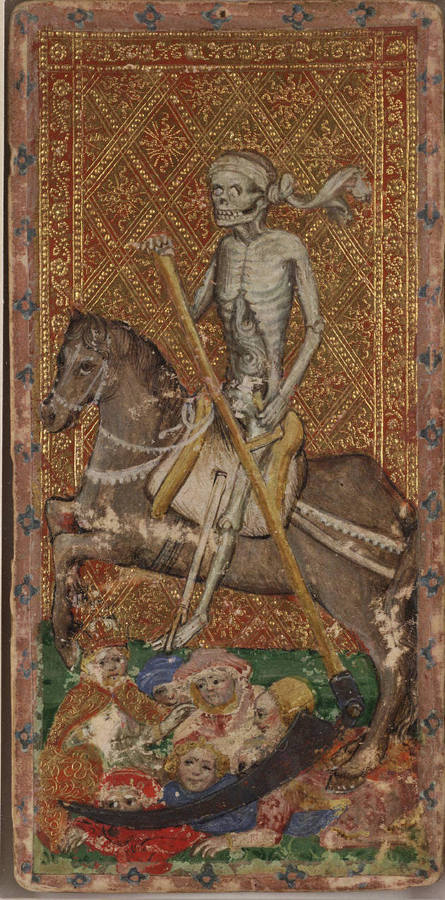
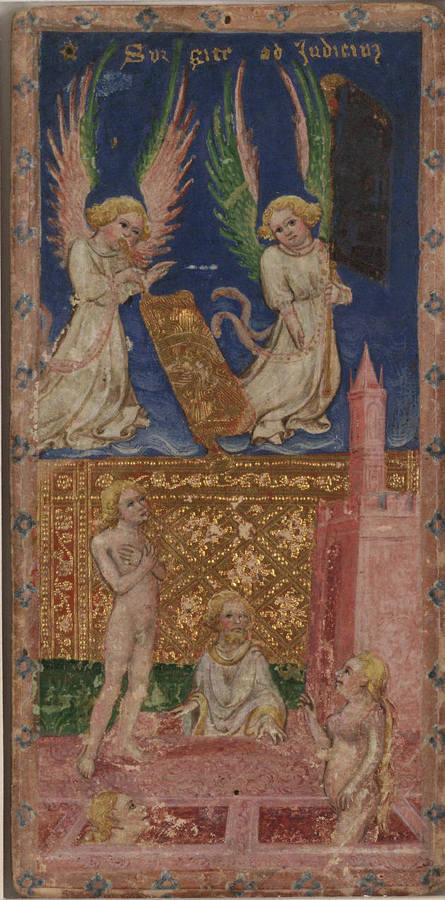
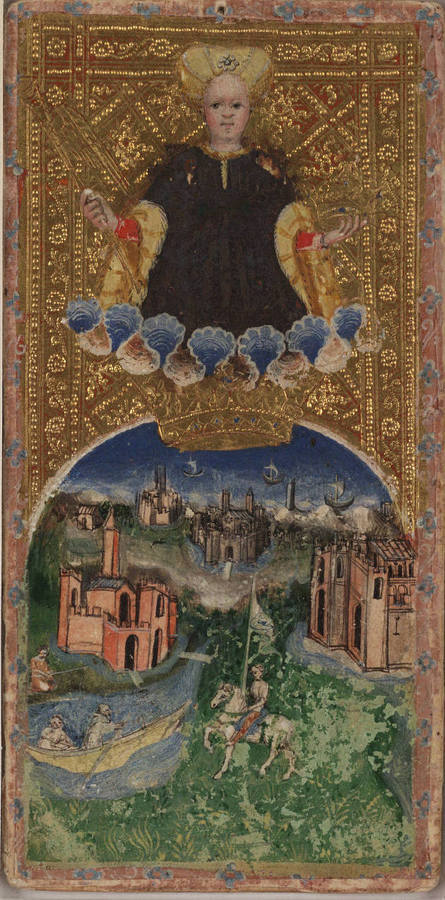
The Cary-Yale Visconti Tarot is a faithful reproduction of an original Italian fifteenth century tarot deck. The deck has the 67 cards that are still in existence in Yale University’s Cary Collection of Playing Cards, plus recreations for 19 missing cards. This Visconti deck is also unusual because it has male and female Knights and Pages in the court cards. Read more The Cary-Yale Visconti Tarrochi deck

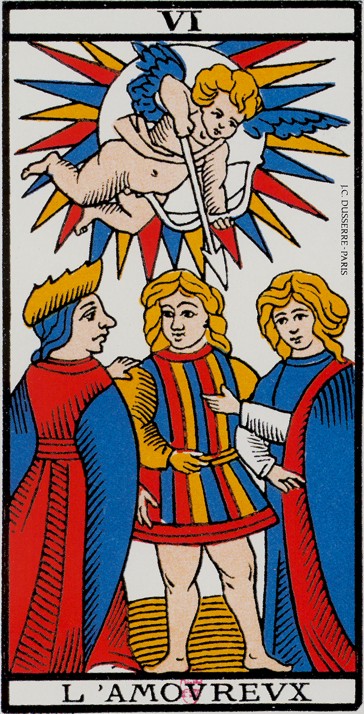
Tarot de Marseille

Tarot de Marseille

The Tarot of Marseilles or Tarot of Marseille, also widely known by the French designation Tarot de Marseille, is one of the standard patterns for the design of tarot cards. It is a pattern from which many subsequent tarot decks derive.
Michael Dummett’s research led him to conclude that (based on the lack of earlier documentary evidence) the Tarot deck was probably invented in northern Italy in the 15th century and introduced into southern France when the French conquered Milan and the Piedmont in 1499. The antecedents of the Tarot de Marseille would then have been introduced into southern France at around that time. Read more Tarot de Marseille

The 1JJ Swiss deck

The 1JJ Swiss deck

The Swiss 1JJ Tarot deck is a 78-card deck used for the tarot card games Troccas and Troggu and also for divination.
The deck is derived from the Tarot de Besançon which itself comes from the Tarot de Marseille. It is an Italian suited pack which substitutes the figures of Juno and Jupiter in place of the Popess and Pope of the Tarot de Marseille. Read more The 1JJ Swiss deck

The Minchiate Tarot deck

The Minchiate Tarot deck

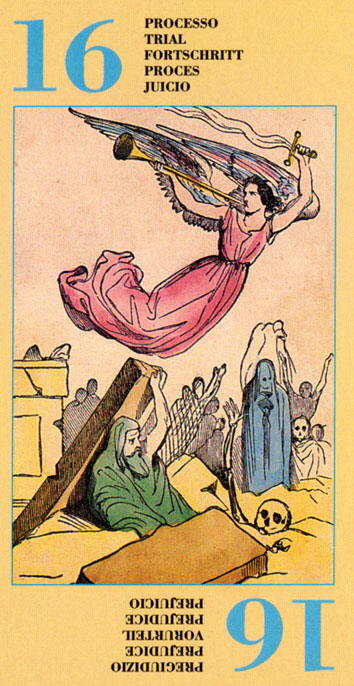
Minchiate is an early 16th century card game, originating in Florence, Italy. It is no longer widely played. Minchiate can also refer to the special deck of 97 playing cards used in the game. The deck is closely related to the tarot cards, but contains an expanded suit of trumps. The game was similar to but more complex than tarocchi.
The Minchiate deck consists of 97 cards. Like in other Tarot decks, there are 4 suits of 14 cards each, but unlike any other game, Minchiate features 40 trumps (“Tarocchi”) and the Fool (“Matto”) is not a trump but plays a special role which will be described later. Read more The Minchiate Tarot deck

The Etteilla Esoteric Tarot deck

The Etteilla Esoteric Tarot deck

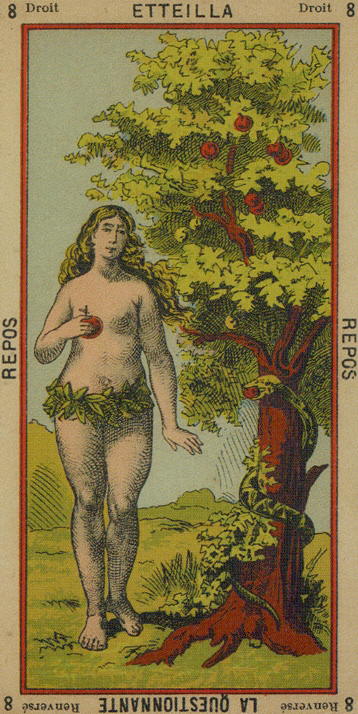
“Etteilla” is the pseudonym of Jean-Baptiste Alliette (1738 – 12 December 1791). Etteilla is simply the reverse of his surname. He was the French occultist who was the first to popularise tarot divination to a wide audience back in 1785, and therefore the first professional tarot occultist known to history who made his living by card divination.
Aside from the birth certificate recording his birth in Paris in 1738, very little is known about Jean-Baptiste Alliette’s youth. His father was a maître rôtisseur, a caterer, and his mother was a seed merchant. He married Jeanne Vattier in 1763, a marriage that lasted half a decade, during which he worked as a seed merchant, before publishing his first book, Etteilla, ou manière de se récréer avec un jeu de cartes (“Etteilla, or a Way to Entertain Yourself With a Deck of Cards”) in 1770. Read more The Etteilla Esoteric Tarot deck

The Etteilla Tarot deck, The Book of Thoth

The Etteilla Tarot deck, The Book of Thoth

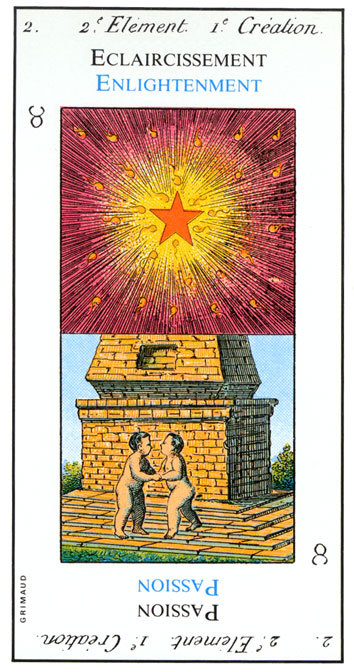
“Etteilla” is the pseudonym of Jean-Baptiste Alliette (1738 – 12 December 1791). Etteilla is simply the reverse of his surname. He was the French occultist who was the first to popularise tarot divination to a wide audience back in 1785, and therefore the first professional tarot occultist known to history who made his living by card divination.
Aside from the birth certificate recording his birth in Paris in 1738, very little is known about Jean-Baptiste Alliette’s youth. His father was a maître rôtisseur, a caterer, and his mother was a seed merchant. He married Jeanne Vattier in 1763, a marriage that lasted half a decade, during which he worked as a seed merchant, before publishing his first book, Etteilla, ou manière de se récréer avec un jeu de cartes (“Etteilla, or a Way to Entertain Yourself With a Deck of Cards”) in 1770. Read more The Etteilla Tarot deck, The Book of Thoth

The Grand Etteilla Tarot Deck

The Grand Etteilla Tarot Deck

“Etteilla” is the pseudonym of Jean-Baptiste Alliette (1738 – 12 December 1791). Etteilla is simply the reverse of his surname. He was the French occultist who was the first to popularise tarot divination to a wide audience back in 1785, and therefore the first professional tarot occultist known to history who made his living by card divination.
Aside from the birth certificate recording his birth in Paris in 1738, very little is known about Jean-Baptiste Alliette’s youth. His father was a maître rôtisseur, a caterer, and his mother was a seed merchant. He married Jeanne Vattier in 1763, a marriage that lasted half a decade, during which he worked as a seed merchant, before publishing his first book, Etteilla, ou manière de se récréer avec un jeu de cartes (“Etteilla, or a Way to Entertain Yourself With a Deck of Cards”) in 1770. Read more The Grand Etteilla Tarot Deck

The Crowley’s Thoth Tarot deck

Crowley Thot Tarot

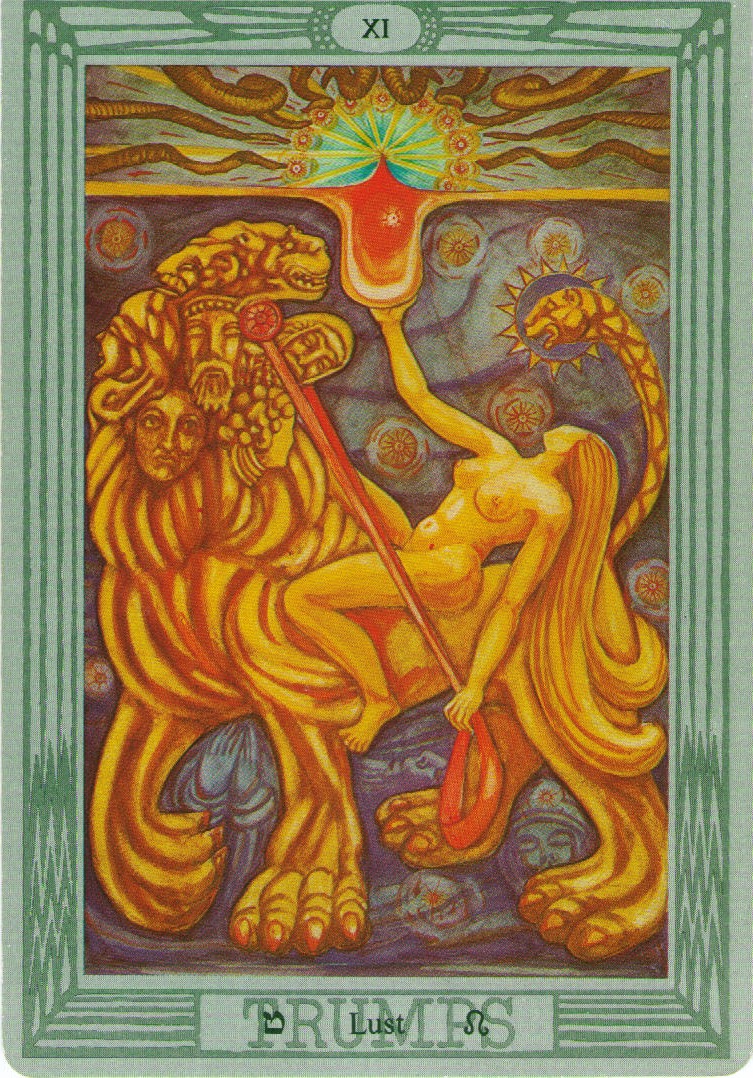
One of the most bold and futuristic deck was delivered by Aleister Crowley and Lady Frieda Harris. After five years (between 1938 and 1943) of assiduous work, Crowley rejected the completed version of Lady Harris. Not one of them was completely satisfied by the final result, although Harris was meticulous in their work, and she painted some of the cards as many as eight times. Read more The Crowley’s Thoth Tarot deck

Cary Yale Visconti di Modrone Tarot

The Cary-Yale Visconti deck may be the oldest Tarot deck in existence. It is one of several hand-painted Italian decks that the Visconti family commissioned in the 15th Century. 67 cards remain in existence.
Named after the Cary Collection of Playing Cards, absorbed into the Yale University Library in 1967, it is also known as the Visconti di Modrone set, and has been dated back to around 1466. Some scholars have, conversely, suggested this may be in fact the oldest of sets, perhaps commissioned by Filippo Maria Visconti at the onset of the project. 67 cards (11 trumps, 17 face cards and 39 “pip” cards) have survived, which has led to the (disputed) suggestion that, given the distribution of the Pierpont-Morgan deck, the total number of cards when this set was produced should have amounted to 86.
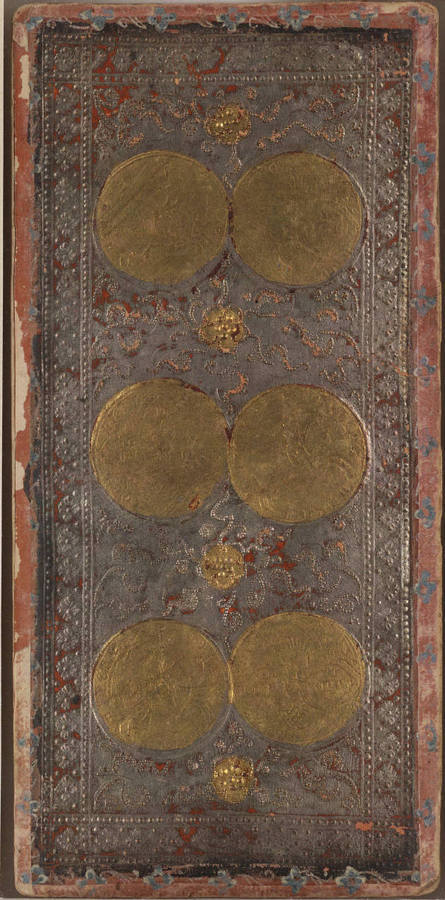
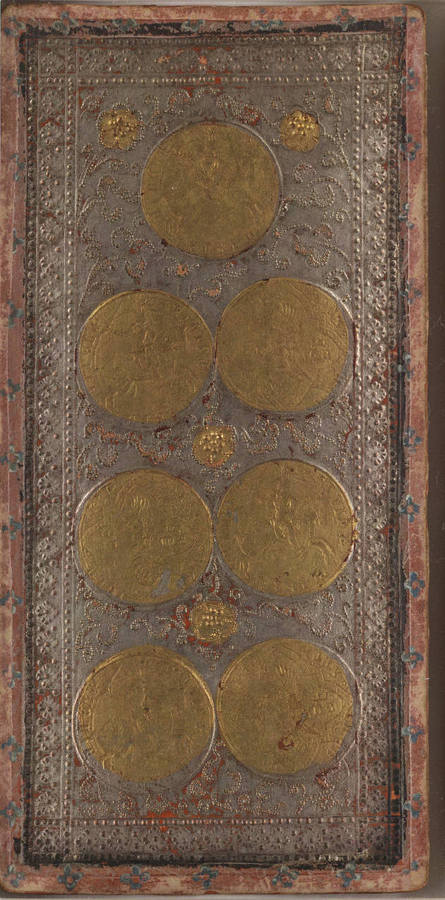
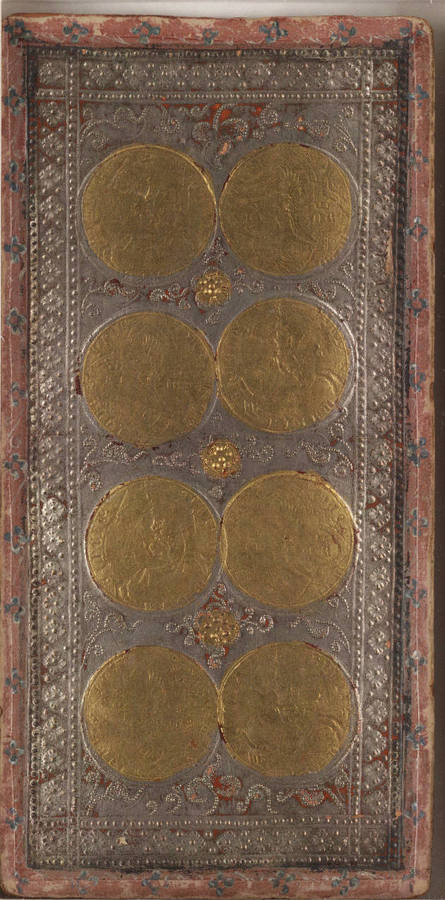
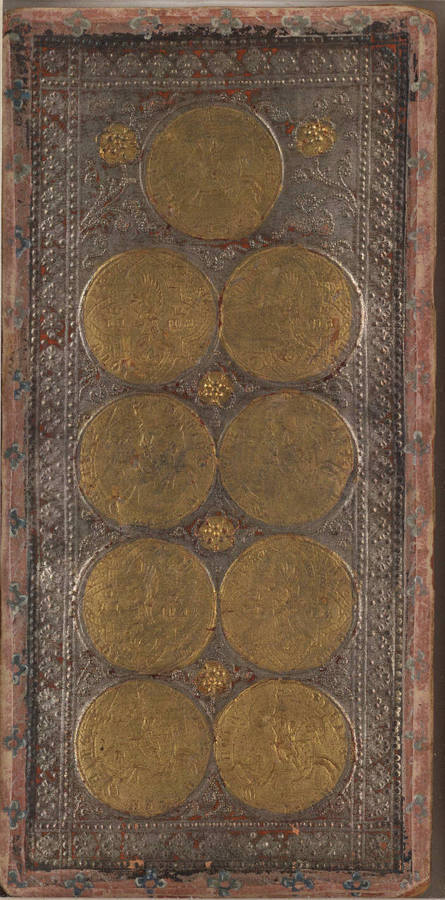
In the 2007 book “The history of the tarot”, scholar Giordano Berti proposes that the deck was produced between 1442 and 1447, because the denari (coin) cards bear the recto and verso of the golden florin coined by F. M. Visconti in 1442 and withdrawn from circulation at his death, in 1447.
The Cary-Yale Visconti deck is unique in that it seems to have been created with 6 court cards per suit rather than 4 as in traditional Tarot decks. The court cards are referred to as:

The King
The Queen
The Knight
The Female Knight
The Page
and The Female Page

Sola-Busca Tarot deck

Sola-Busca Tarot deck

The Sola-Busca Tarot is the only extant and complete 15th century Tarot deck.
It is also the only ancient deck in which all 56 “Minor” cards are illustrated with characters, instead of the traditional symbols. But before entering the symbolic dimension can be useful to know something of the history of this beautiful deck.
The name “Sola-Busca” attributed to this deck comes from the noble Milanese family that had owned this 78 cards from 1948. In 2009 the cards was bought for € 800.000 by the Italian Ministry of Heritage and Culture and delivered to the Pinacoteca of Brera, in Milan. Read more Sola-Busca Tarot deck