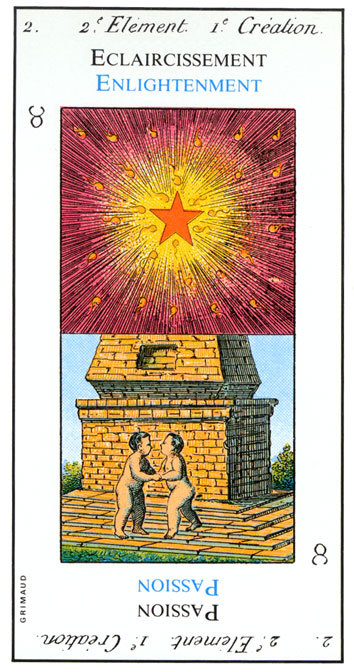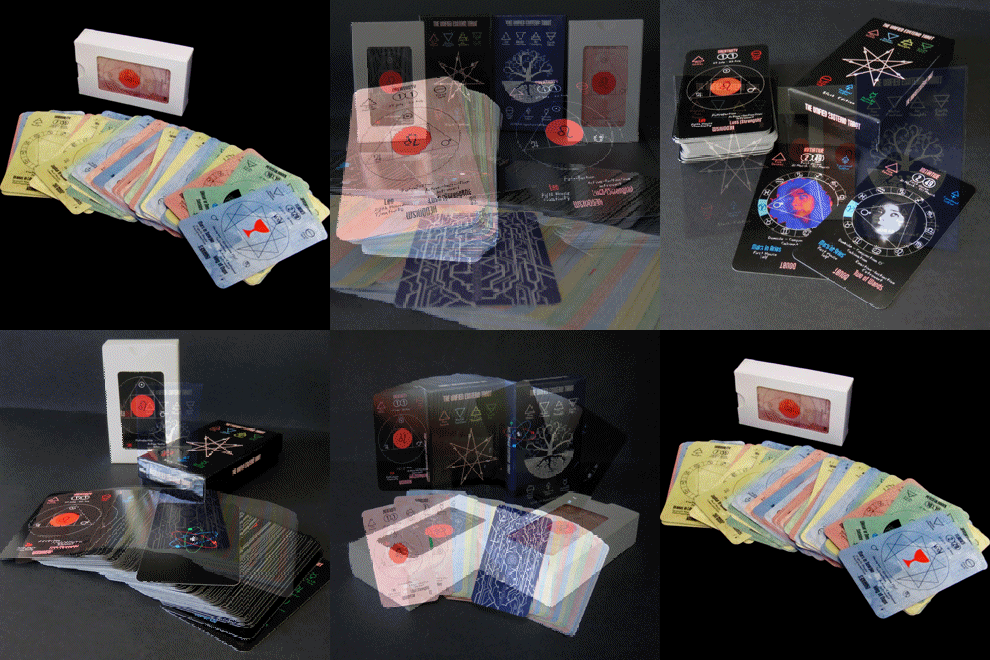
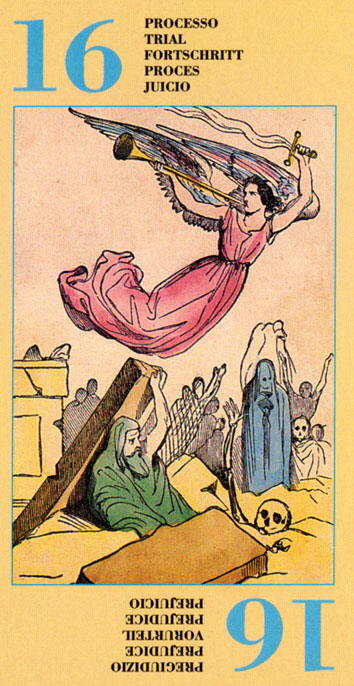
The Etteilla Esoteric Tarot deck

The Etteilla Esoteric Tarot deck

“Etteilla” is the pseudonym of Jean-Baptiste Alliette (1738 – 12 December 1791). Etteilla is simply the reverse of his surname. He was the French occultist who was the first to popularise tarot divination to a wide audience back in 1785, and therefore the first professional tarot occultist known to history who made his living by card divination.
Aside from the birth certificate recording his birth in Paris in 1738, very little is known about Jean-Baptiste Alliette’s youth. His father was a maître rôtisseur, a caterer, and his mother was a seed merchant. He married Jeanne Vattier in 1763, a marriage that lasted half a decade, during which he worked as a seed merchant, before publishing his first book, Etteilla, ou manière de se récréer avec un jeu de cartes (“Etteilla, or a Way to Entertain Yourself With a Deck of Cards”) in 1770. Read more The Etteilla Esoteric Tarot deck ›
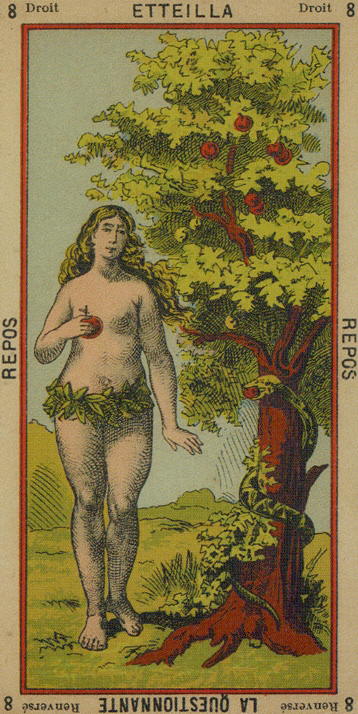
The Etteilla Tarot deck, The Book of Thoth

The Etteilla Tarot deck, The Book of Thoth

“Etteilla” is the pseudonym of Jean-Baptiste Alliette (1738 – 12 December 1791). Etteilla is simply the reverse of his surname. He was the French occultist who was the first to popularise tarot divination to a wide audience back in 1785, and therefore the first professional tarot occultist known to history who made his living by card divination.
Aside from the birth certificate recording his birth in Paris in 1738, very little is known about Jean-Baptiste Alliette’s youth. His father was a maître rôtisseur, a caterer, and his mother was a seed merchant. He married Jeanne Vattier in 1763, a marriage that lasted half a decade, during which he worked as a seed merchant, before publishing his first book, Etteilla, ou manière de se récréer avec un jeu de cartes (“Etteilla, or a Way to Entertain Yourself With a Deck of Cards”) in 1770. Read more The Etteilla Tarot deck, The Book of Thoth ›

The Grand Etteilla Tarot Deck

The Grand Etteilla Tarot Deck

“Etteilla” is the pseudonym of Jean-Baptiste Alliette (1738 – 12 December 1791). Etteilla is simply the reverse of his surname. He was the French occultist who was the first to popularise tarot divination to a wide audience back in 1785, and therefore the first professional tarot occultist known to history who made his living by card divination.
Aside from the birth certificate recording his birth in Paris in 1738, very little is known about Jean-Baptiste Alliette’s youth. His father was a maître rôtisseur, a caterer, and his mother was a seed merchant. He married Jeanne Vattier in 1763, a marriage that lasted half a decade, during which he worked as a seed merchant, before publishing his first book, Etteilla, ou manière de se récréer avec un jeu de cartes (“Etteilla, or a Way to Entertain Yourself With a Deck of Cards”) in 1770. Read more The Grand Etteilla Tarot Deck ›

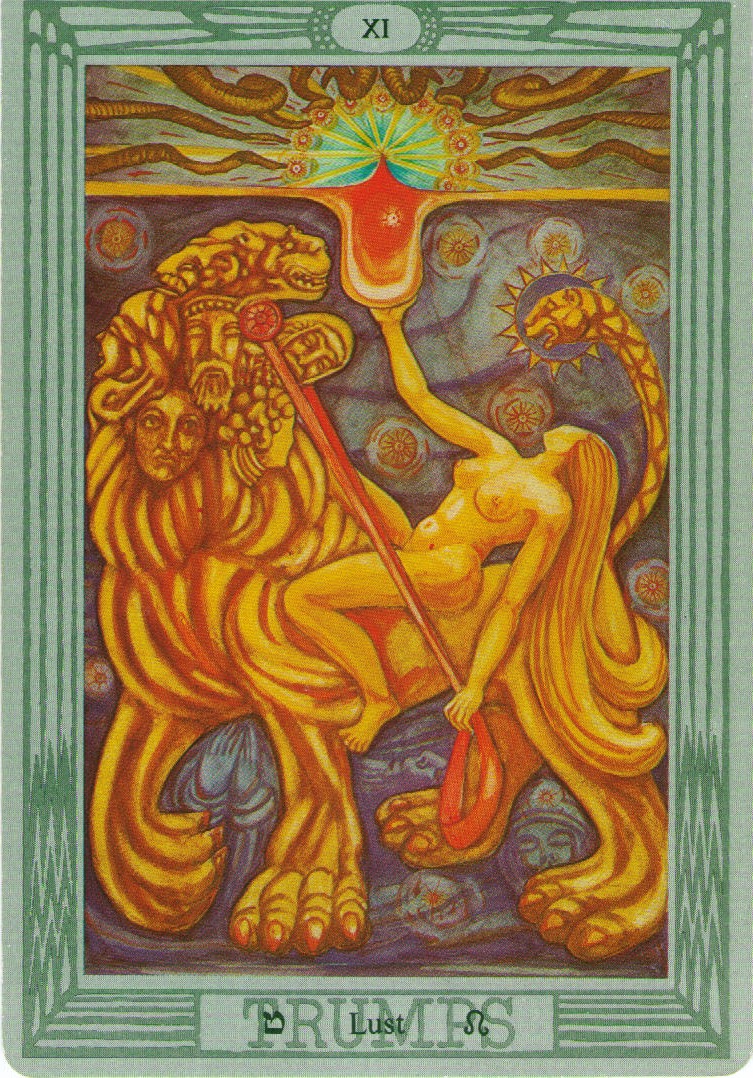
The Crowley’s Thoth Tarot deck

Crowley Thot Tarot

One of the most bold and futuristic deck was delivered by Aleister Crowley and Lady Frieda Harris. After five years (between 1938 and 1943) of assiduous work, Crowley rejected the completed version of Lady Harris. Not one of them was completely satisfied by the final result, although Harris was meticulous in their work, and she painted some of the cards as many as eight times. Read more The Crowley’s Thoth Tarot deck ›

Sola-Busca Tarot deck

Sola-Busca Tarot deck

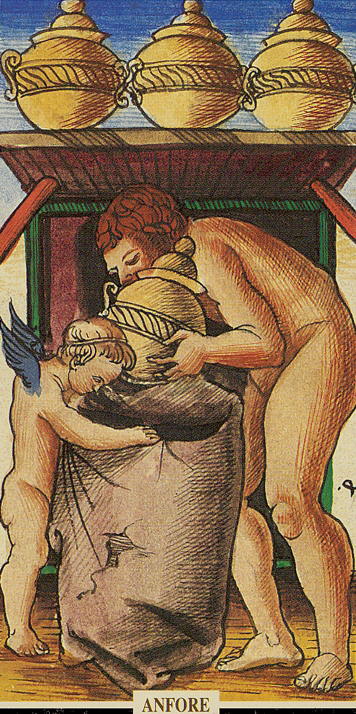
The Sola-Busca Tarot is the only extant and complete 15th century Tarot deck.
It is also the only ancient deck in which all 56 “Minor” cards are illustrated with characters, instead of the traditional symbols. But before entering the symbolic dimension can be useful to know something of the history of this beautiful deck.
The name “Sola-Busca” attributed to this deck comes from the noble Milanese family that had owned this 78 cards from 1948. In 2009 the cards was bought for € 800.000 by the Italian Ministry of Heritage and Culture and delivered to the Pinacoteca of Brera, in Milan. Read more Sola-Busca Tarot deck ›

Visconti-Sforza Tarot deck

Visconti-Sforza Tarot deck

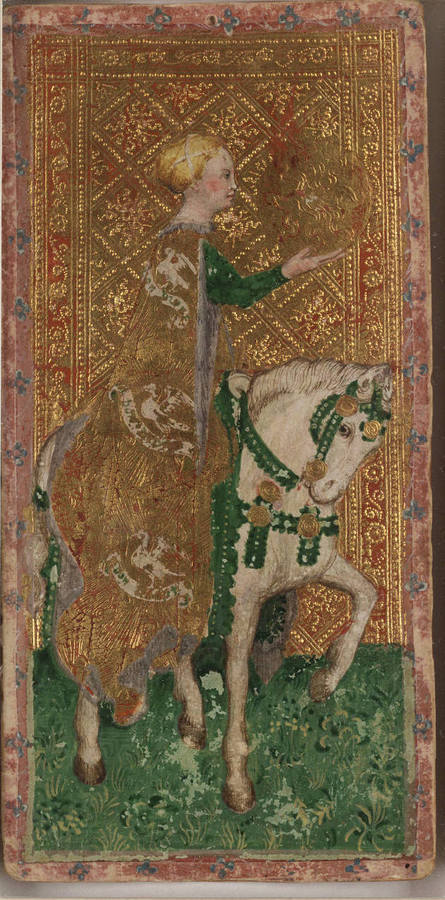
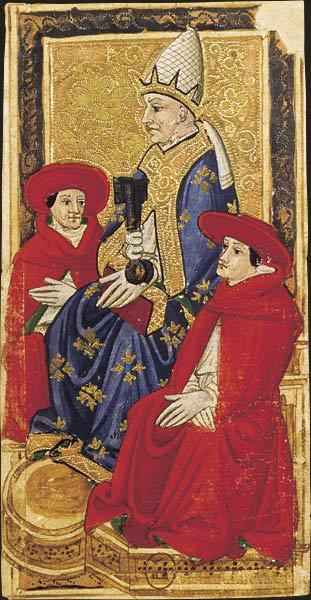
The Visconti-Sforza Tarot deck is a 15th-century Tarot deck and one of the oldest known to exist. It had a significant impact on the visual composition and interpretation of modern decks.
Interestingly, one of the typically masculine card, The Chariot, showcase a woman, while Strength, which generally presents a woman, showcase a male figure.
The surviving cards are of particular historical interest because of the beauty and detail of the design, which was often executed in precious materials and often reproduce members of the Sforza and Visconti families in period garments and settings. Consequently, the cards also offer a glimpse of nobiliary life in Milan, which the two families called home since the 13th century. Read more Visconti-Sforza Tarot deck ›

The Rider-Waite-Smith Tarot deck

The Rider-Waite-Smith tarot deck is one of the most popular tarot decks in use today in the English-speaking world. Other suggested names for this deck include the Rider-Waite, Waite-Smith, Waite-Colman Smith or simply the Rider deck. The cards were drawn by illustrator Pamela Colman Smith from the instructions of academic and mystic A. E. Waite, and published by the Rider Company in 1910.
The cards were originally published in 1910 by the publisher William Rider & Son of London. The following year, a small guide by A.E. Waite entitled The Key to the Tarot was bundled with the cards, providing an overview of the traditions and history behind the cards, criticism of various interpretations, and extensive descriptions of their symbols. The year after that, a revised version, Pictorial Key to the Tarot, was issued that featured black-and-white plates of all seventy-eight of Smith’s cards. Several later versions of the deck, such as the Universal Waite deck, copy the Smith line drawings with minor changes and add more sophisticated coloring. Read more The Rider-Waite-Smith Tarot deck ›

Why Tarot-ator

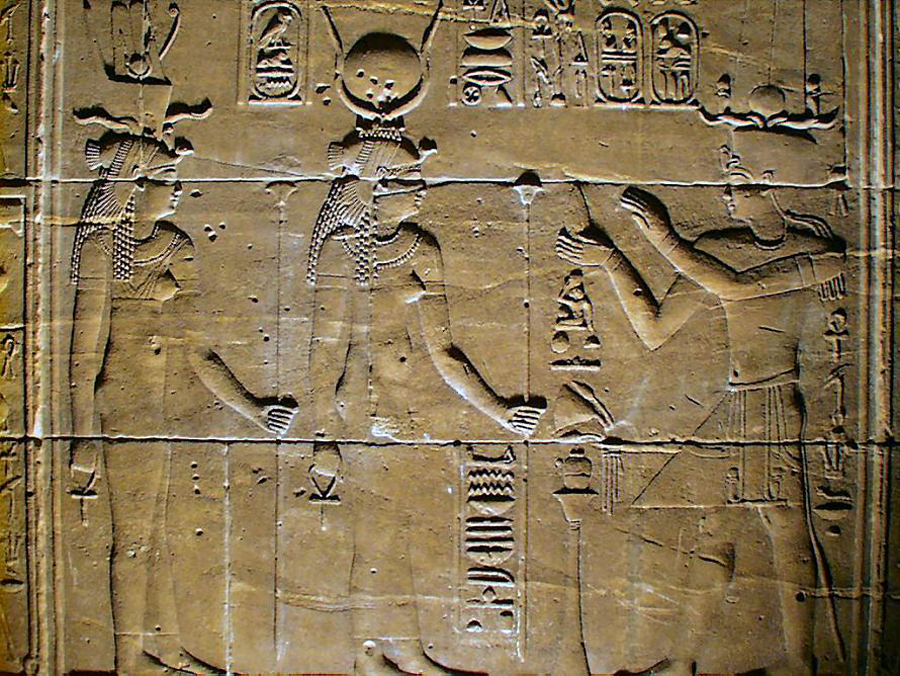
Hathor from Temple of Isis, Philae, Egypt.

Why Tarot-ator? From where that “ator” comes and what it means?

Comte de Mellet in his essay “Study on the Tarots, and on Divination with Tarot cards” mentioned “The Book of Thoth” and identifies the author, the Egyptian God Thoth with the Roman God Mercury, which is similar to the Greek God Hermes. According to Comte de Mellet, Thoth was the first historian and he had also painted the gods on 22 plates or cards. “This book was to be named A-Rosh; from A, doctrines, science; and from Rosch (Rosh is the Egyptian name of Mercury and of its festival which is celebrated the first day of the new year), Mercury, which, joined to the article T, means pictures of the doctrines of Mercury; but as Rosh also means commencement, this word Ta-Rosh was particularly devoted to his cosmogony; just as Ethotia, the History of Time, was the title of his astronomy; and perhaps that Athothes, which one took for King, son of Thoth, is only the child of his genius, and the History of the kings of Egypt.” Read more Why Tarot-ator ›